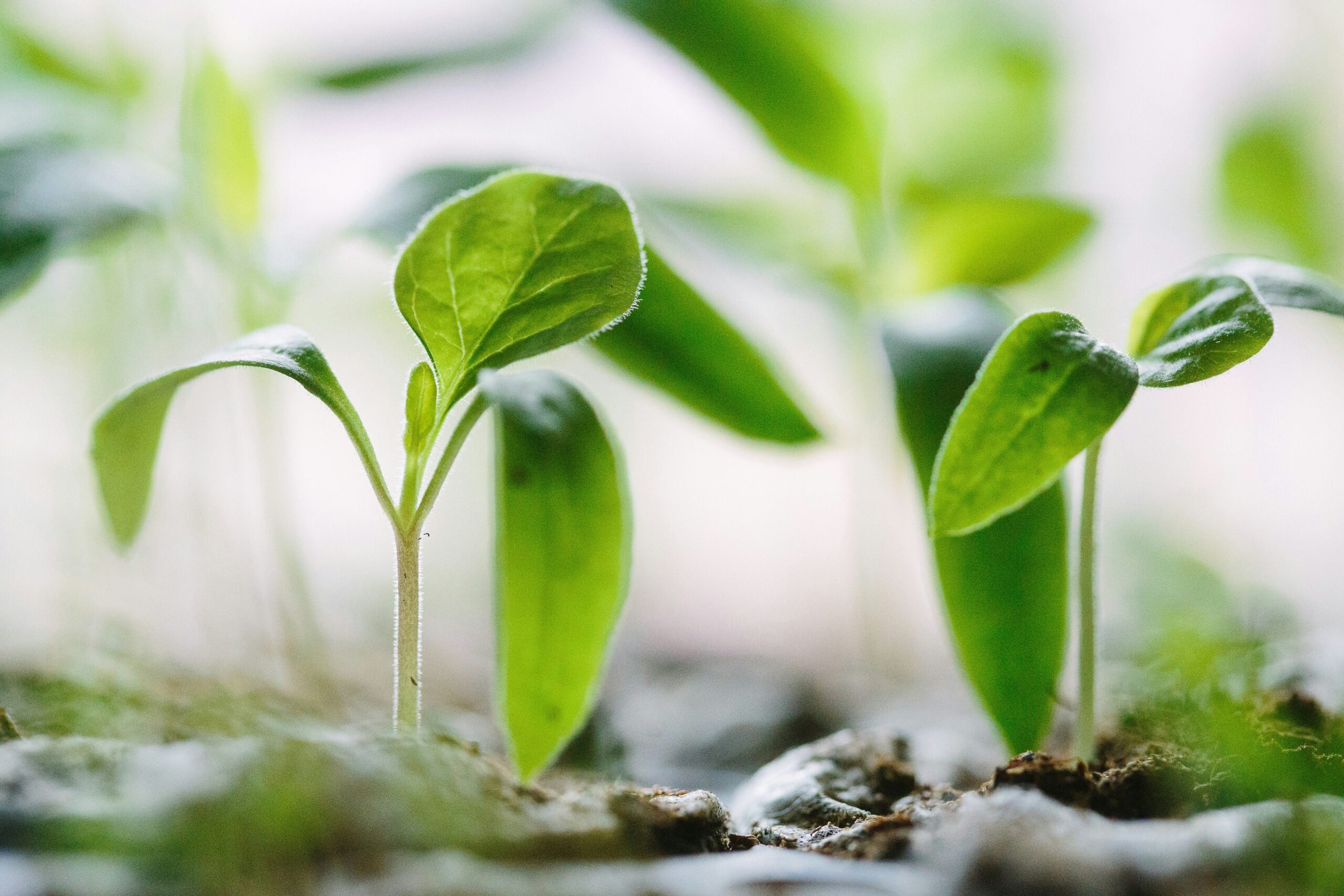
India and Africa are strengthening agricultural ties through seed diplomacy, with the Indo-African Seed Summit in Hyderabad emerging as a focal point. India’s Telangana state, which produces more than 60% of the country’s seeds, is sharing expertise and seed varieties with African nations seeking to modernize agriculture.
African farmers often rely on saved seeds from previous harvests, limiting yield potential and resilience to climate stress. By introducing certified, high-yield varieties, the summit aims to address food security challenges across the continent. Indian firms are also partnering with African governments to establish seed testing labs, certification bodies, and farmer training programs.
Policy innovation is also on the agenda. India’s Rythu Bandhu scheme, which provides direct subsidies to farmers for purchasing inputs, is being studied as a model for African nations. This kind of knowledge transfer underscores the summit’s collaborative approach.
The outcomes are promising: greater yields, resilience to drought, and better farmer incomes. Critics warn, however, of risks if local biodiversity is overlooked in favor of imported varieties. Organizers stress that the aim is to combine modern science with local adaptation, not replace indigenous practices.
Seed diplomacy reflects a growing recognition that food security is a shared challenge. As climate volatility increases, collaborations between India and Africa could provide a lifeline for millions of farmers.