The 18th BRICS Summit in New Delhi underscores India’s push for a more resilient global economic architecture through local-currency settlements, expanded institutional cooperation, NDB financing and deeper Global South integration.
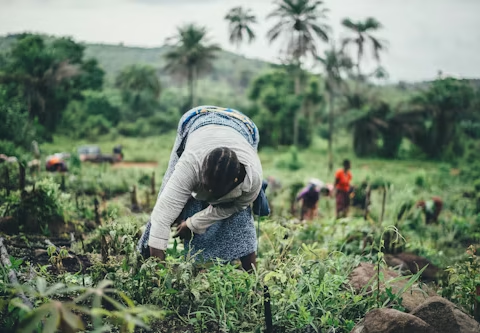
As Africa shifts from exporting raw materials to building manufacturing capability, and India strengthens its own productive capacity, a new chapter in the relationship is emerging. Beyond trade and diplomacy, both regions are discovering that their development journeys are beginning to converge
The geopolitical landscape of West Asia has shifted with staggering speed. Since Ambassador K.P. Fabian, one of India’s most respected diplomatic voices on West Asia, drafted his assessment in his article for Afroasiannews, his warning of the “unscripted tragedy” has entered a
Bridging the Corridor” is a flagship dialogue series exploring the emerging economic synergies between the resource-rich landscapes of Africa, the manufacturing excellence of Asia, and the luxury retail nerve centres of the Middle East.
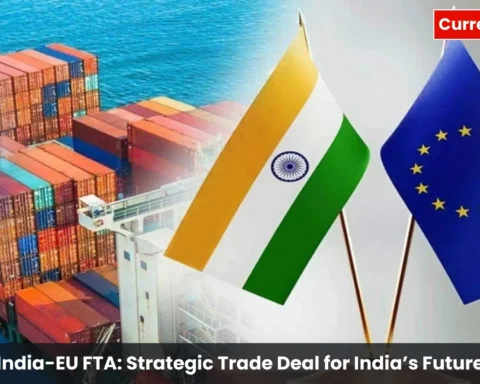
Prime Minister Narendra Modi with EU leaders Ursula von der Leyen and António Costa sign the much awaited India–EU Free Trade Agreement in New Delhi, marking a landmark economic partnership.
As global trade fragments into power blocs and strategic alignments, market logic is increasingly shaped by geopolitics, supply-chain security, and institutional leverage.
Education systems across Africa, Asia, the Middle East, India, China, and Russia are entering a structural transition that extends far beyond classrooms.
Global manufacturing is undergoing a deep structural transition. While headlines often focus on trade wars or reshoring announcements in the West, the more significant transformation is unfolding quietly across emerging regions.
AAN | 27:12:2025
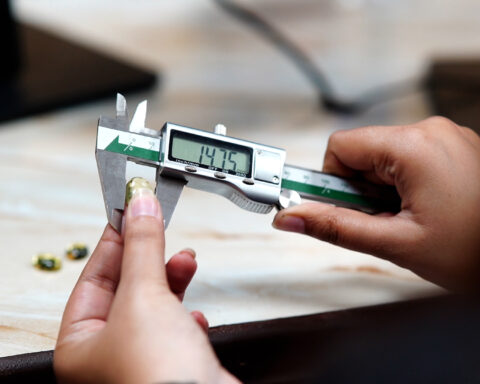
India has been confirmed as the Chair of the Kimberley Process for the year 2026, bringing closure to an extended impasse over leadership within the global diamond certification body. The decision was reached by consensus among participating members, following months of negotiations after earlier bids failed to gain unanimous support. India will formally assume the chairmanship from January 1, 2026, after serving briefly as Vice-Chair in late 2025.
The Kimberley Process is a tripartite initiative involving governments, the diamond industry, and civil society, aimed at preventing the trade in conflict diamonds. India’s appointment marks its third tenure as Chair, underscoring its growing influence in the global diamond value chain. During its chairmanship, India is expected to prioritise governance reforms, strengthen compliance mechanisms, and advance discussions on transparency and traceability within the Kimberley Process framework.