In a period marked by economic transition and geopolitical uncertainty, this conversation reflects on India’s evolving role in the global economy, the importance of reforms and ethics in business, and the challenge of sustaining growth in a volatile environment.
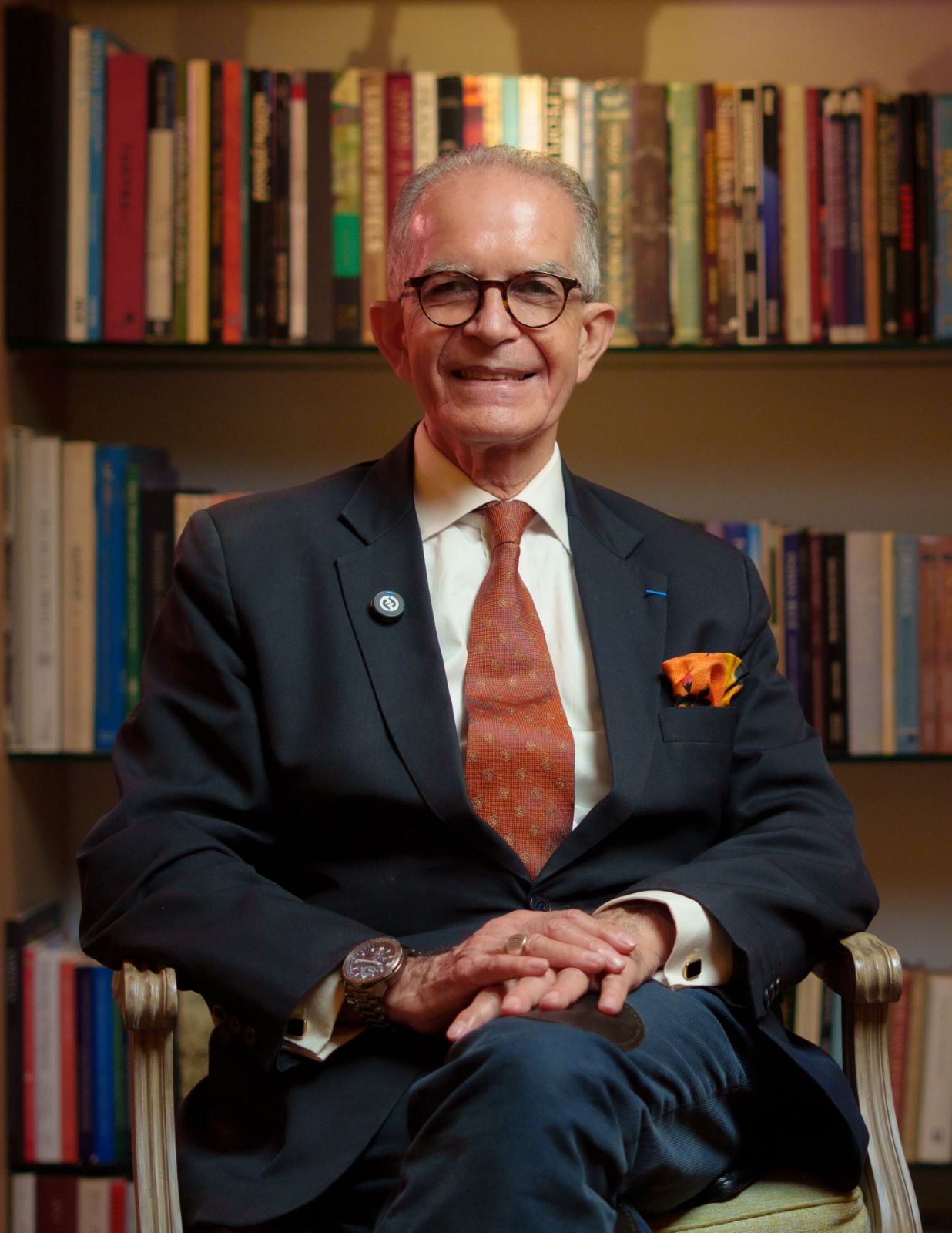
In this conversation, Dr. Kazem Samandari, Executive Chairman of L’Opéra, a French multi-locational pâtisserie brand, reflects on India’s evolving role in the global economy, the importance of reforms and ethics in business, and the challenge of sustaining growth in a volatile environment. He has engaged closely with discussions on India’s economic trajectory and recently participated in the PHDCCI States’ Policy Conclave, which focused on inclusive, accelerated, and environmentally conscious growth.
Q1. What hurdles did you face and overcome in the launch of L’Opéra in India?
I prefer speaking about tasks and challenges rather than hurdles. These included understanding regulatory requirements, training personnel, sourcing high-quality raw materials, ensuring reliable utilities, adapting to climate conditions, and familiarising customers with authentic French products.
Q2. How do you perceive the evolving eating patterns of India’s population?
They are increasingly curious and supportive of quality offerings. Greater travel exposure and rising aspirations have created demand for authentic, healthier, and premium products.
Q3. Where do you see the brand over the next five years?
We plan to expand within Delhi NCR, grow pan-India, broaden our product range, strengthen catering services, and lay the foundation for a hospitality school.
Q4. What are your cross-border expansion plans?
We are considering a stepwise international expansion.
Q5. How do you balance health considerations in your products?
Health is addressed through ingredient quality and product diversity, including sugar-free, gluten-free, and health-focused offerings.
Q6. What factors have driven the company’s growth?
Growth has been guided by core values such as quality, transparency, meritocracy, collaboration, accountability, and responsible growth.
Q7. What gives you confidence in India’s long-term economic trajectory?
India’s young population, strong domestic market, entrepreneurial energy, and balanced geopolitical approach provide long-term confidence, even as challenges remain.
Q8. How has your perception of India evolved over the years?
Economic reforms since 1991 and more recent structural initiatives such as GST, IBC, UPI, and digital public services have strengthened formalisation and scalability across the economy.
Q9. Do you see parallels between building a premium brand and a resilient economy?
Yes. Both require long-term vision, sound planning, inclusiveness, quality, trust, and acceptance of short-term sacrifice for long-term benefit.
Q10. What distinguishes India’s economic resilience today?
Strong domestic demand, infrastructure investment, diversified sectors, monetary support, and fiscal prudence have enhanced resilience.
Q11. How can India position itself as a trusted global hub?
By strengthening infrastructure, focusing on competitive sectors, investing in skills, adopting digital technologies, and sustaining policy support.
Q12. Which reforms have been most transformative at the grassroots level?
Education, public health, infrastructure, and digital access have been most impactful.
Q13. How critical is digital public infrastructure?
Digital public infrastructure has enabled inclusion, efficiency, and scale, becoming a backbone of formal growth.
Q14. What is required to convert demographic advantage into employability?
Quality education, industry collaboration, labour-intensive growth, and dignity of work are essential.
Q15. Why must ethics be central to growth conversations?
Sustainable growth requires ethical grounding to prevent exploitation, inequality, and environmental degradation.
Q16. How do you assess India’s green transition compared with Europe?
India’s commitment is bold and comparable to leading European efforts, despite differing historical and resource contexts.
Q17. Which green sectors offer opportunities for global collaboration?
Renewable energy, green hydrogen, storage, electric vehicles, and sustainable infrastructure present strong opportunities.
Q18. How should India be remembered a decade from now?
As a nation that demonstrated inclusive growth, ethical development, environmental respect, and the spirit of Vasudhaiva Kutumbakam.