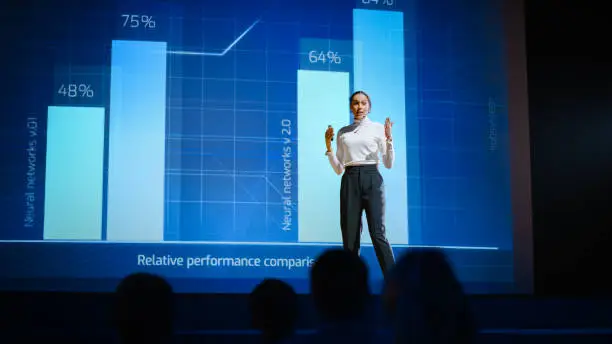
For much of the past decade, venture capital was seen as the default pathway for startup success. Large funding rounds, rapid expansion, and aggressive user acquisition defined ambition.
Over the past decade, global startup culture was often viewed through a single lens, dominated by Silicon Valley models, Western venture capital, and globalised technology platforms. That landscape is now changing. India, China, and Russia are quietly building parallel innovation ecosystems shaped
Healthcare systems across emerging economies are undergoing a quiet but significant transformation. Long structured around hospitals and acute care, systems in India, China, the Middle East, and Russia are increasingly shifting toward prevention, early diagnosis, and population-level health management.
Food has always been central to culture, but in recent years it has taken on a new strategic role. Across China, India, the Middle East, and Russia, culinary traditions are increasingly being positioned as instruments of soft power—shaping national identity, influencing perception,
Domestic tourism across China and Russia is undergoing a strategic rebalancing as travellers seek cultural depth, regional authenticity, and experiences beyond overcrowded urban landmarks.
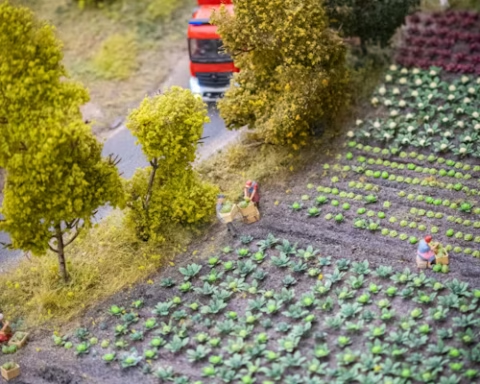
Russia’s cold‑climate agriculture strategy is rapidly evolving as global food‑security concerns rise. Regions once considered unsuitable for high‑yield farming—including Perm Krai, Komi Republic, and northern Siberian territories—are becoming active zones of agricultural experimentation. This shift is driven by advances\greenhouse engineering, microbial soil
Russia’s cold‑climate agriculture is undergoing a strategic revival as global food security concerns intensify. In Perm Krai, farmers are expanding beyond hardy grains to test frost‑resistant vegetables, berries, and forage crops.
Russia is expanding its security partnerships across Africa as governments seek diversified defence cooperation, counter-terror support, and specialised military training
AAN | 27:12:2025
India has been confirmed as the Chair of the Kimberley Process for the year 2026, bringing closure to an extended impasse over leadership within the global diamond certification body. The decision was reached by consensus among participating members, following months of negotiations after earlier bids failed to gain unanimous support. India will formally assume the chairmanship from January 1, 2026, after serving briefly as Vice-Chair in late 2025.
The Kimberley Process is a tripartite initiative involving governments, the diamond industry, and civil society, aimed at preventing the trade in conflict diamonds. India’s appointment marks its third tenure as Chair, underscoring its growing influence in the global diamond value chain. During its chairmanship, India is expected to prioritise governance reforms, strengthen compliance mechanisms, and advance discussions on transparency and traceability within the Kimberley Process framework.