The AI Infrastructure Economy The Hidden Input – Part 2
Editor’s note
As the world competes to attract hyper-scale AI investments, electricity is emerging as more than a utility. The reliability, capacity and responsiveness of the power grid could increasingly influence where the next generation of AI infrastructure is built. However, the power requirements of AI rarely dominate discussions in the public domain.
The Hidden Input- Part 1 examined the water needs of large data centres. As the global AI race gathers pace The Hidden Input- Part 2 looks at another critical requirement: POWER. The accompanying decoder examines why data centres need dedicated substations.
The New Power Equation
The first generation of data centres primarily required reliable internet connectivity and uninterrupted electricity. The next generation of AI infrastructure requires something much more demanding.
Training large artificial intelligence models requires tens of thousands of high-performance processors operating continuously for weeks or even months. These facilities consume electricity on a scale that was once associated primarily with heavy industry.
Electricity is no longer just another operating cost.
As AI investments accelerate across the world, electricity is no longer just another operating cost. It is becoming one of the factors shaping where AI infrastructure can realistically be developed. This represents an important shift. For decades, electricity policy focused largely on meeting residential demand, industrial growth and economic development.
Artificial intelligence is now the new consumer.
Hyper-scale AI data centres require not only enormous quantities of electricity but also exceptionally high levels of reliability. Even brief interruptions can disrupt operations, damage expensive equipment or delay AI training workloads. The conversation changes from simply generating more electricity to delivering electricity differently.
Capacity matters, reliability matters, transmission capacity matters, substation availability matters. The ability to connect large consumers to the grid within reasonable timeframes also matters.
Several countries are already confronting this challenge. In some regions, proposed data centre projects have reportedly faced delays because transmission infrastructure or grid capacity could not be expanded quickly enough. Elsewhere, governments and utilities are accelerating investments in transmission networks, substations and new generating capacity to accommodate AI-driven demand.
India may increasingly face similar questions.
The country has made substantial progress in expanding renewable energy capacity while simultaneously strengthening transmission infrastructure. Yet AI infrastructure introduces new planning requirements.
The Meta–Reliance data centre project in Jamnagar illustrates how renewable power is becoming closely linked to new AI infrastructure, with the project backed by renewable energy arrangements. At the same time, India is adapting its existing power infrastructure to support grid stability as the electricity mix changes. Nine thermal power units, eight coal- or lignite-based and one gas-based, have been identified for possible repurposing as synchronous condensers to support grid stability. At the state level, Karnataka’s new data-centre policy also links the expansion of data-centre capacity with renewable energy and supporting infrastructure.
It is no longer sufficient to ask whether electricity is available
It is no longer sufficient to ask whether electricity is available. A more relevant question may be whether electricity can be delivered at the scale, quality and reliability required by hyperscale AI facilities.
This also alters the way states compete for investment. Land and fiscal incentives will remain important. However, states capable of offering dependable power infrastructure, faster grid connections and long-term capacity planning have an advantage and may become more attractive destinations for large AI investments.
Power Equation Beyond Generation
This perspective also broadens the economic opportunity, because the AI infrastructure power grid story is not confined to power generation alone. Transmission companies, substation developers, switch gear manufacturers, transformer producers, grid technology providers, battery storage companies and power management firms all become part of the wider infrastructure ecosystem – the hidden inputs supporting AI.
The discussion around artificial intelligence is very often dominated by breakthroughs in models and computing power that can deliver at an amazing pace and scale. The ability to deliver reliable electricity at an unprecedented scale may prove equally important.
As the AI economy expands, the power grid infrastructure may gradually evolve from being an invisible utility into one of the defining competitive advantages for regions seeking to host the next generation of digital infrastructure.
Decoding The Hidden Input
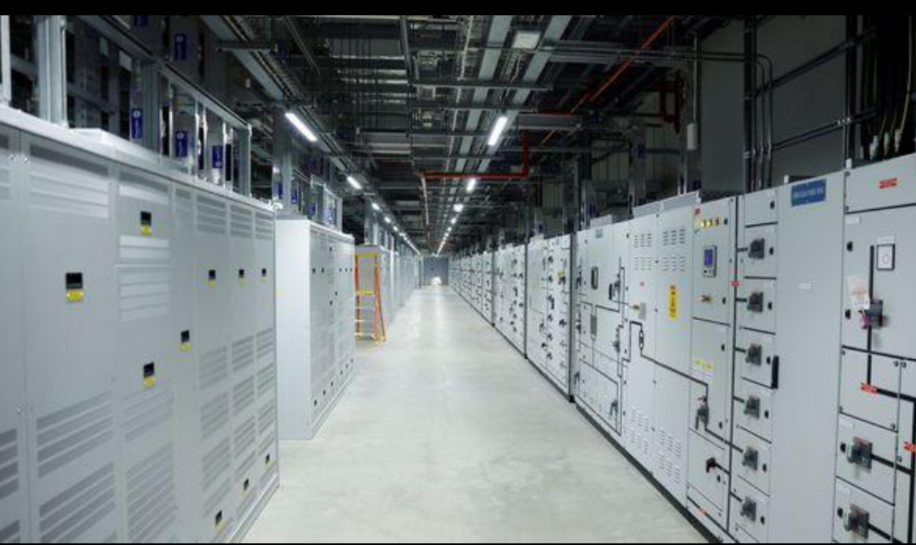
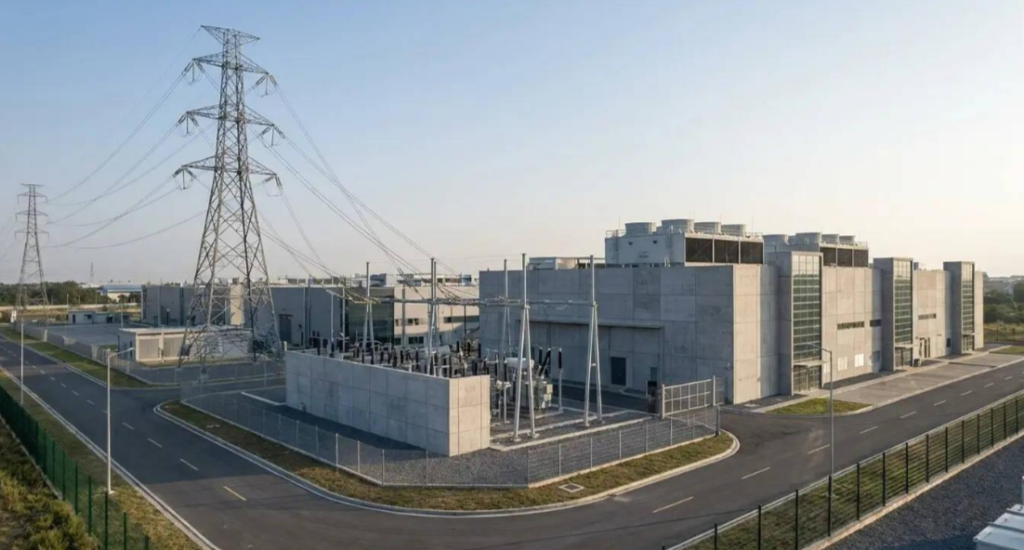
Why Do Data Centres Need Dedicated Substations?