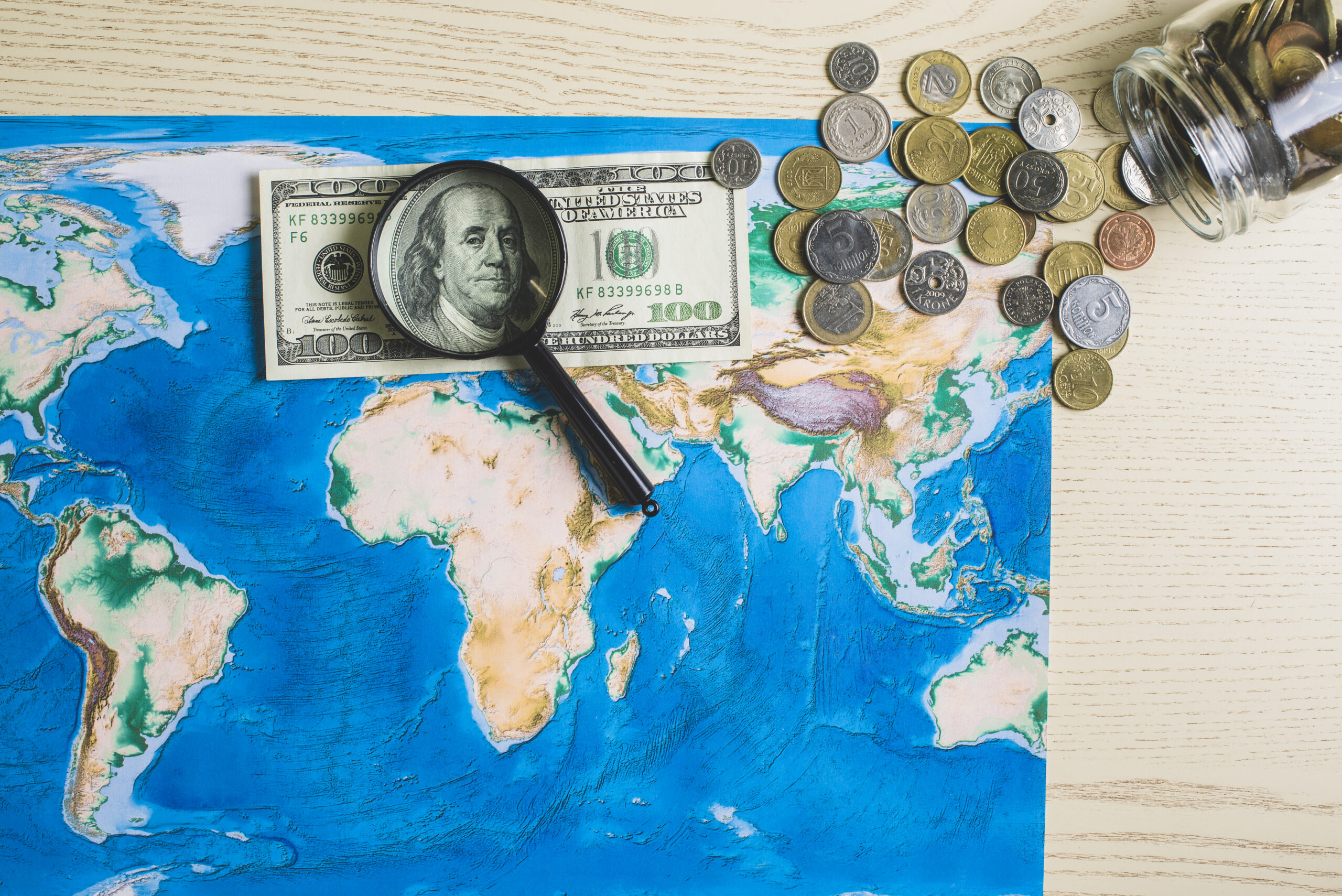
For decades, global trade has operated through a familiar financial architecture dominated by the US dollar. Energy contracts, commodity pricing, cross-border settlements, and reserves have largely flowed through dollar-based systems. Today, that architecture is beginning to evolve. Across India, China, Russia, the Middle East, and parts of Africa, regional payment mechanisms are quietly expanding, reshaping how trade is settled without openly challenging the dollar’s dominance.
This shift is not driven by ideology alone. Practical considerations such as sanctions risk, transaction costs, currency volatility, and settlement delays have encouraged governments and businesses to explore alternatives. The objective is not to replace the dollar overnight, but to reduce exposure and diversify financial channels.
China has taken the most structured approach, promoting the use of its currency in bilateral trade agreements and investing in cross-border payment infrastructure. Regional trade settlements increasingly rely on local currencies, particularly within Asia and across parts of Africa. Digital payment platforms and clearing systems reduce reliance on intermediary banks.
Russia’s experience has accelerated this trend. Restrictions on access to traditional financial networks forced the development of domestic and regional settlement mechanisms. Trade with Asia and the Middle East increasingly uses alternative currencies and direct clearing arrangements.
India’s approach is pragmatic. While maintaining engagement with global financial systems, India has expanded rupee-based trade mechanisms with select partners. This allows exporters and importers to reduce currency risk while preserving flexibility.
The Middle East plays a bridging role. As a global energy supplier and financial hub, the region is experimenting with diversified settlement currencies, particularly in energy trade. Sovereign wealth funds and regional banks support this gradual transition.
Africa’s involvement reflects opportunity rather than confrontation. Regional payment systems reduce transaction costs, support intra-African trade, and improve financial inclusion. Pan-regional platforms enable faster settlement across borders that once relied heavily on external currencies.
Challenges remain. Liquidity, trust, regulatory alignment, and currency stability limit rapid expansion. The dollar retains unmatched depth and global confidence. Yet the trend toward diversification is clear.
Rather than signalling the end of dollar dominance, regional payment systems point to a more plural financial landscape—one where trade flows through multiple channels, increasing resilience in an increasingly fragmented global economy.