Internal Linking Suggestions
- China’s Belt & Road 2.0
- Global Semiconductor Supply Chains
- India’s Digital Public Infrastructure
A Quiet Shift in Trade
India’s trade with Africa has quietly reached a new inflection point. Between fiscal 2024 and 2025, bilateral trade hit
~USD 103 b, with exports standing at ~USD 45 b and imports ~USD 58 b—
leaving India with a trade deficit near USD 13 b.
Beyond Exports: Towards Co-Development
Amid rising protectionism globally, Indian trade strategists see Africa not just as a destination but as a
partner in co-development.
- Earlier: “sending goods”
- Now: embedding production, logistics, supply chains, and financial infrastructure in tandem across geographies.
Redefining Trade Corridors
Trade corridors no longer mean a single rail or port project; they mean network flexibility.
- India’s hubs: Mundra, Nhava Sheva, Mundra East (capacity expansion)
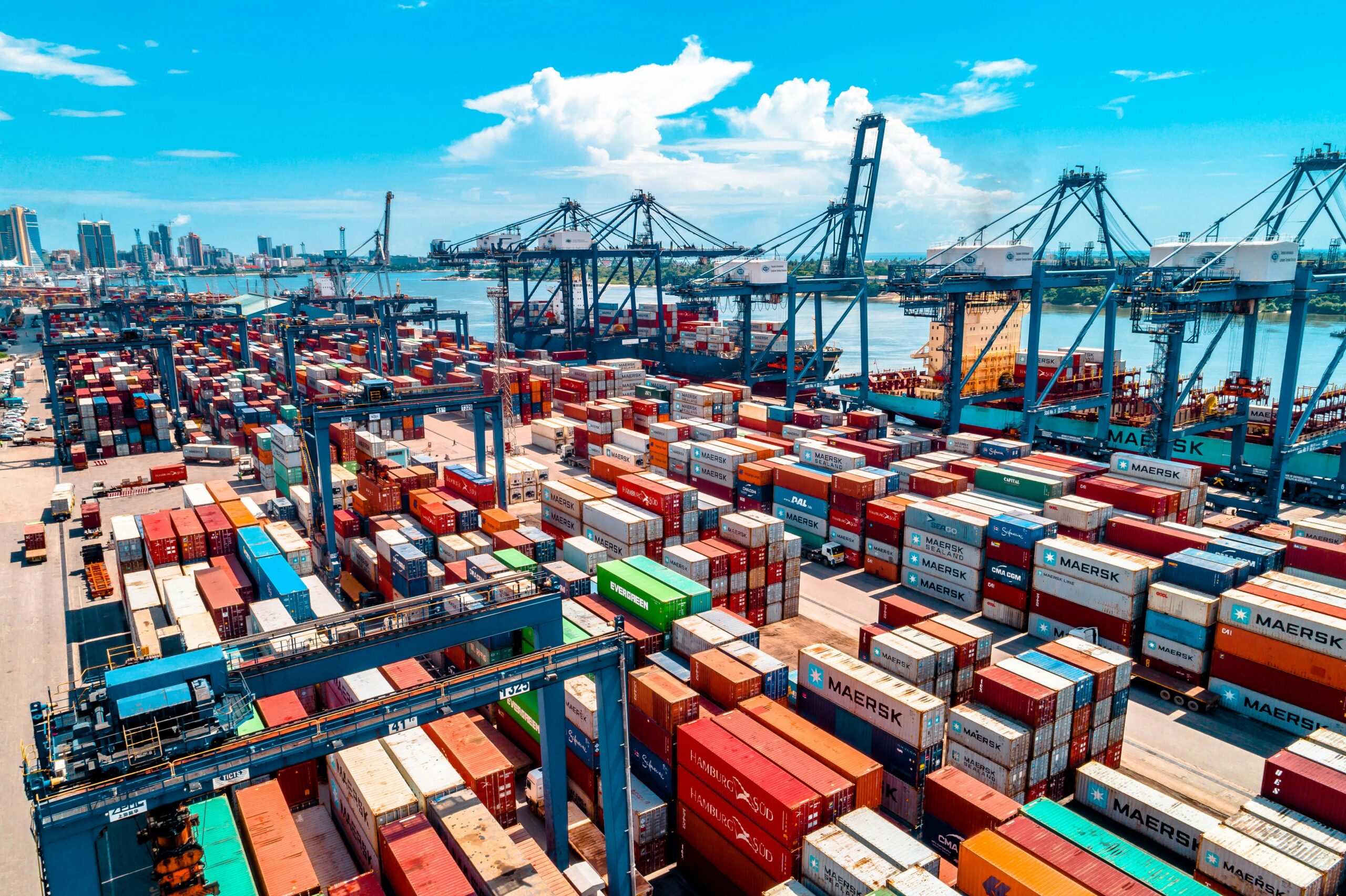
- Africa’s hubs: Egyptian Red Sea ports, Nigeria’s Lekki Free Zone, Tanzania’s Dar es Salaam
These nodes are connected by trucking, rail, feeder sea routes, and dry ports.
Logistics Innovation
Logistics firms are layering:
- Visibility
- ESG compliance
- Temperature control
Indian and African operators are co-investing in warehousing, cold chains, and container leasing.
Corridor operators promising guaranteed transit times—even in volatile zones—are gaining premium contracts.
Currency Innovation
One of the most underappreciated dynamics is currency innovation.
- Pilots: rupee-ruble, rupee-naira, rupee-shilling
- Impact: reduce dollar dependence, lower FX risk, cut hedging costs, and make trade more accessible for MSMEs.
Financing the Next Phase
Trade financiers—EXIM Bank India, Afreximbank, and African development banks—are designing:
- Receivables-backed finance
- Invoice discounting
- Trade aggregation pools
These instruments provide working capital in local currencies, shifting risk onto institutions rather than small exporters.
India’s Evolving Role
India’s role is moving from exporter of finished goods to co-partner in Africa’s growth.
Evolving models include:
- Local assembly & light manufacturing
- Spare parts & aftermarket networks
- Shared R&D & design hubs
- Skill transfers via joint training centers
Winners & Losers
Winners
- Corridor operators, logistics integrators, trade financiers
- MSMEs and exporters plugging into new networks early
Losers
- Firms overexposed to single-route or dollar-only trade
- Nations lagging in regulatory alignment or digital trade capacity