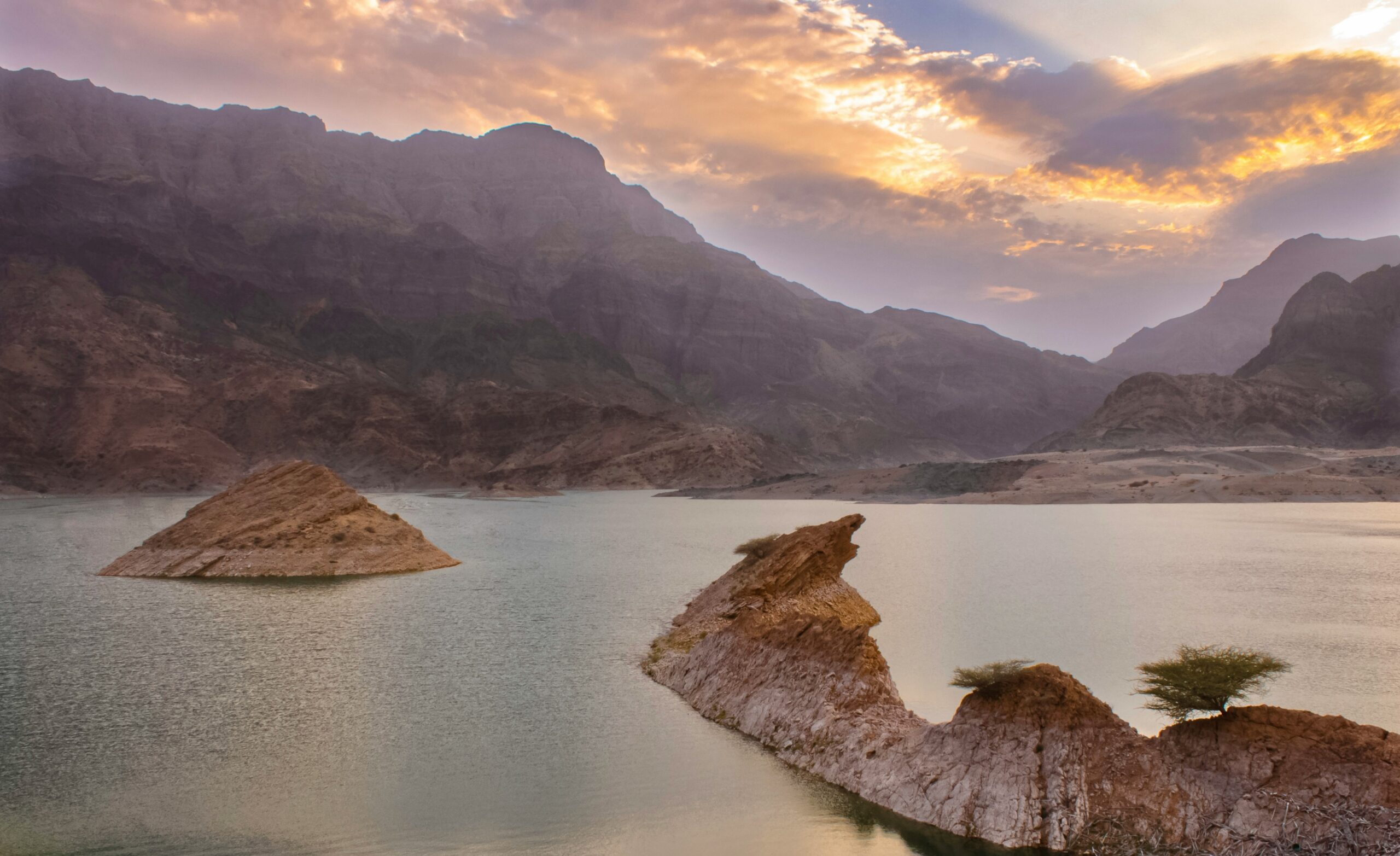
Water scarcity has long defined life in the Middle East, but communities are reviving ancient water culture to meet today’s crises. Traditional systems like Iran’s qanats and Oman’s aflaj are being restored not only as heritage but as functional solutions to climate stress.
In Oman, aflaj channels distribute water equitably among farms, and restoration projects are teaching younger generations how to maintain them. Iran is digitizing qanat monitoring, blending old techniques with new technologies to prevent depletion. These systems embody a cultural ethos of cooperation and respect for shared resources.
Beyond irrigation, water heritage is inspiring architecture, art, and tourism. In the UAE, museums are curating exhibits on traditional water culture, while Jordan’s eco-lodges highlight ancient cistern systems as part of sustainable tourism experiences. Reviving water culture is becoming both a cultural and economic project.
The symbolism matters. Water has always been sacred in the Middle East, shaping rituals, literature, and community bonds. By turning back to tradition, the region is showing that sustainability can be deeply cultural—not just technological.