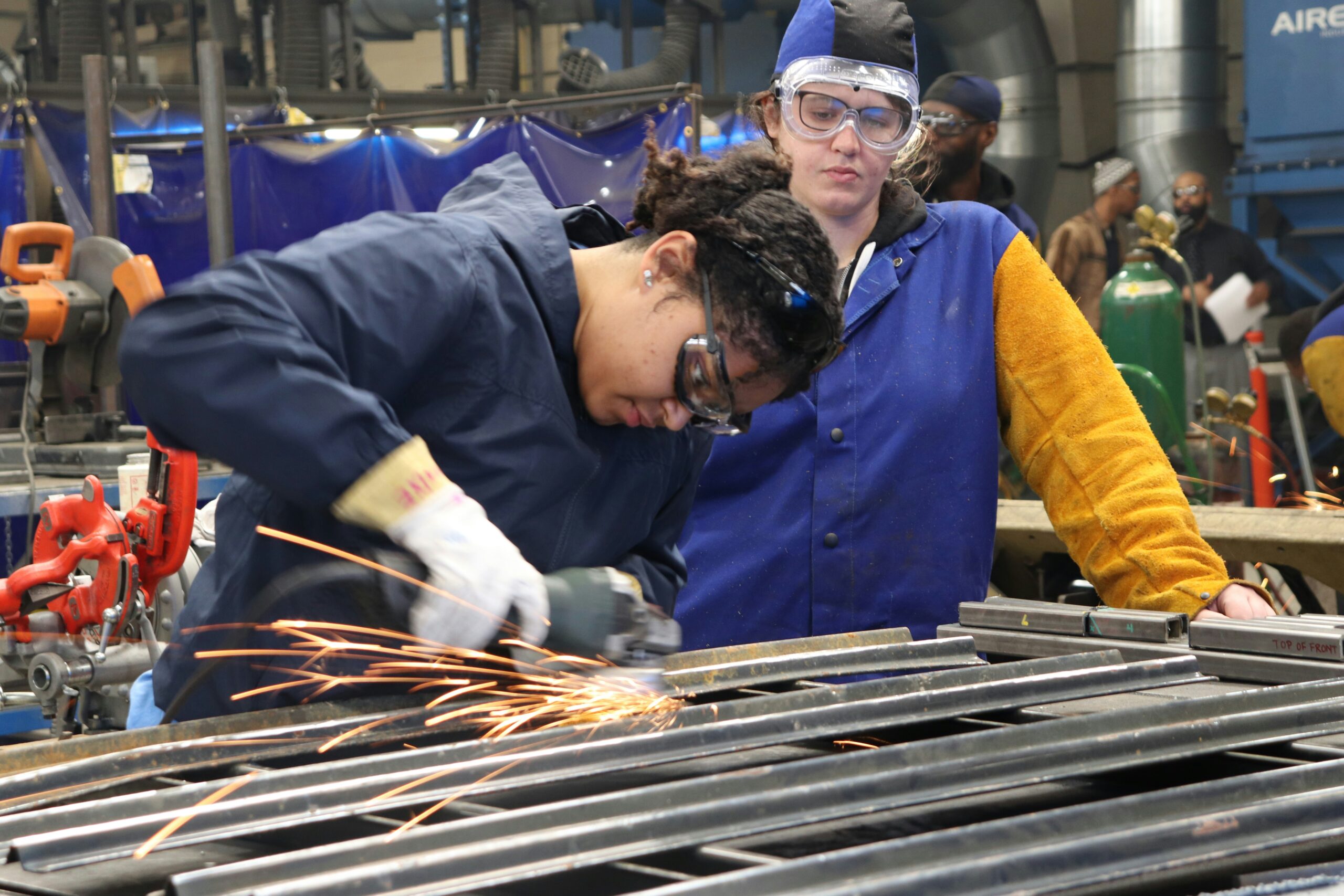
Gulf states are rapidly reshaping their education systems to prepare citizens for a post-oil economy. Central to this transformation is a push for vocational and technical training, supported by digital platforms, industry partnerships, and government funding.
Qatar, the UAE, and Saudi Arabia are leading the charge. National visions and diversification strategies highlight the importance of equipping youth with skills in logistics, renewable energy, health services, and digital industries. To bridge the gap between education and employment, governments are working with private companies to co-design training modules that reflect current labor market needs.
Digital platforms play a key role. Online portals deliver micro-credentials and modular courses that workers can complete alongside jobs or apprenticeships. Competency-based assessments replace traditional time-bound models, allowing learners to progress based on mastery rather than seat time. Employers value these credentials because they reflect practical readiness.
In the UAE, vocational academies now integrate augmented reality (AR) and virtual reality (VR) training for technical fields such as aviation maintenance and healthcare. Saudi Arabia’s Human Capability Development Program has expanded scholarships and local training centers, reducing dependence on expatriate labor.
Equity and access are also part of the strategy. Women are increasingly encouraged to enroll in vocational programs, and flexible schedules support workers who need to balance training with employment. Governments are introducing national credential registries, allowing employers to search verified skill profiles when hiring.
The challenges are significant. Building local expertise in specialized fields takes time, and many programs still rely heavily on foreign trainers. Ensuring consistent quality across programs also remains a hurdle. Nevertheless, the momentum is clear: Gulf states are moving from theoretical education models to practical, skill-driven pathways that align directly with economic diversification goals.
This approach not only improves employability but also lays the foundation for long-term resilience in labor markets transitioning away from hydrocarbons.