

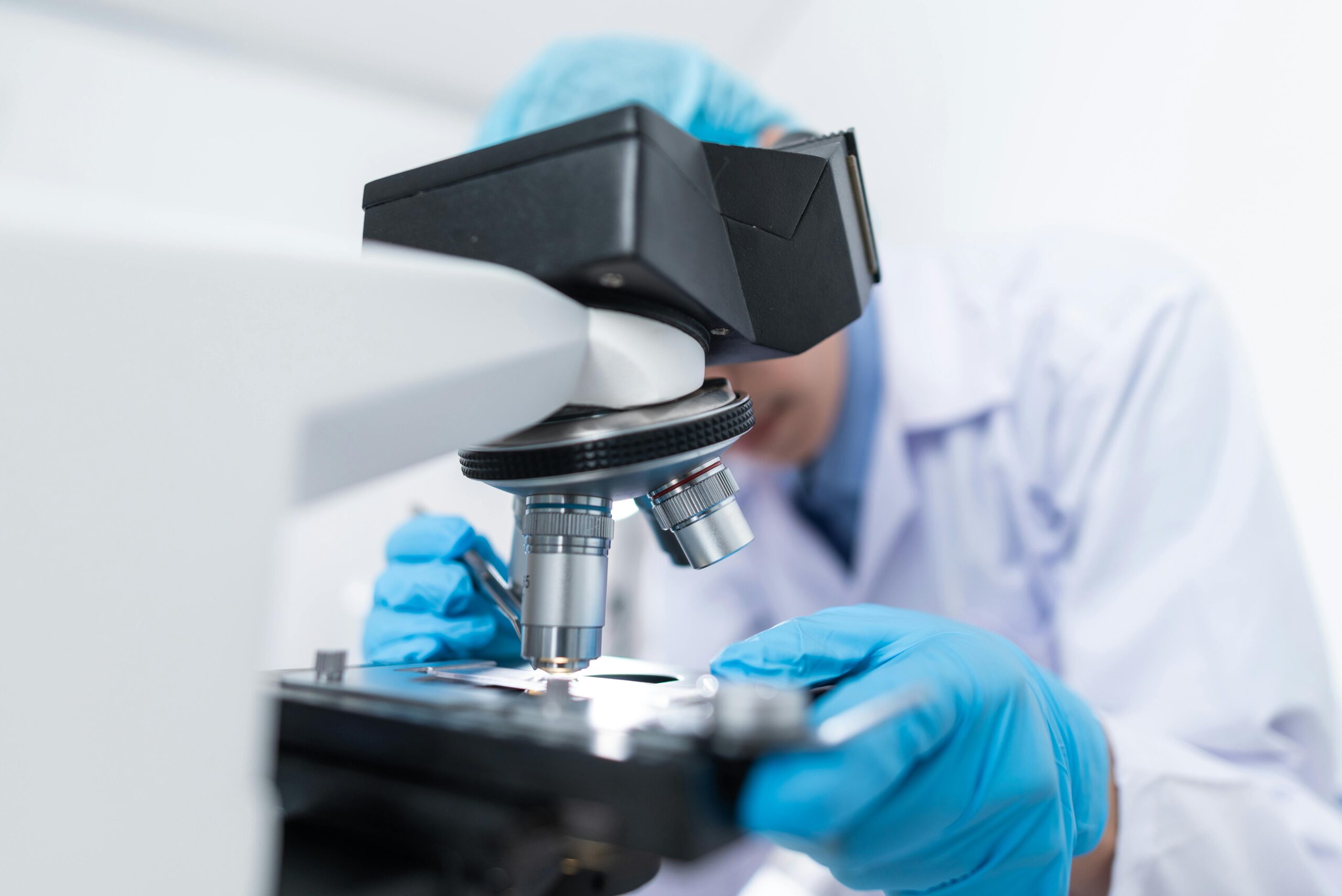
China’s biotech industry is growing rapidly, fueled by government funding, research talent, and a rising domestic market for innovative therapies. Shanghai, Suzhou, and Beijing have become biotech clusters, hosting incubators, venture capital, and research institutions that rival global hubs.
The government’s “Healthy China 2030” strategy prioritizes domestic innovation. Subsidies and grants encourage startups to focus on new therapies for cancer, rare diseases, and chronic conditions. Local firms are increasingly filing patents and conducting clinical trials, reducing dependence on multinational pharma companies.
Biotech parks like Zhangjiang Hi-Tech Park in Shanghai provide infrastructure, shared labs, and investment networks. These clusters attract both domestic and international talent, creating synergies between academia and industry. Venture capital flows into the sector have risen sharply, with IPOs on China’s STAR Market providing exit opportunities for investors.
China’s biotech ambitions also align with its geopolitical goals. By developing homegrown therapies and reducing reliance on Western suppliers, the country seeks greater healthcare sovereignty. Exporting therapies to Asia and Africa is also on the horizon.
Challenges remain, including balancing innovation with affordability, navigating global IP rules, and avoiding overcapacity. Nevertheless, China’s biotech clusters are becoming engines of domestic and global innovation, shaping the future of healthcare.


