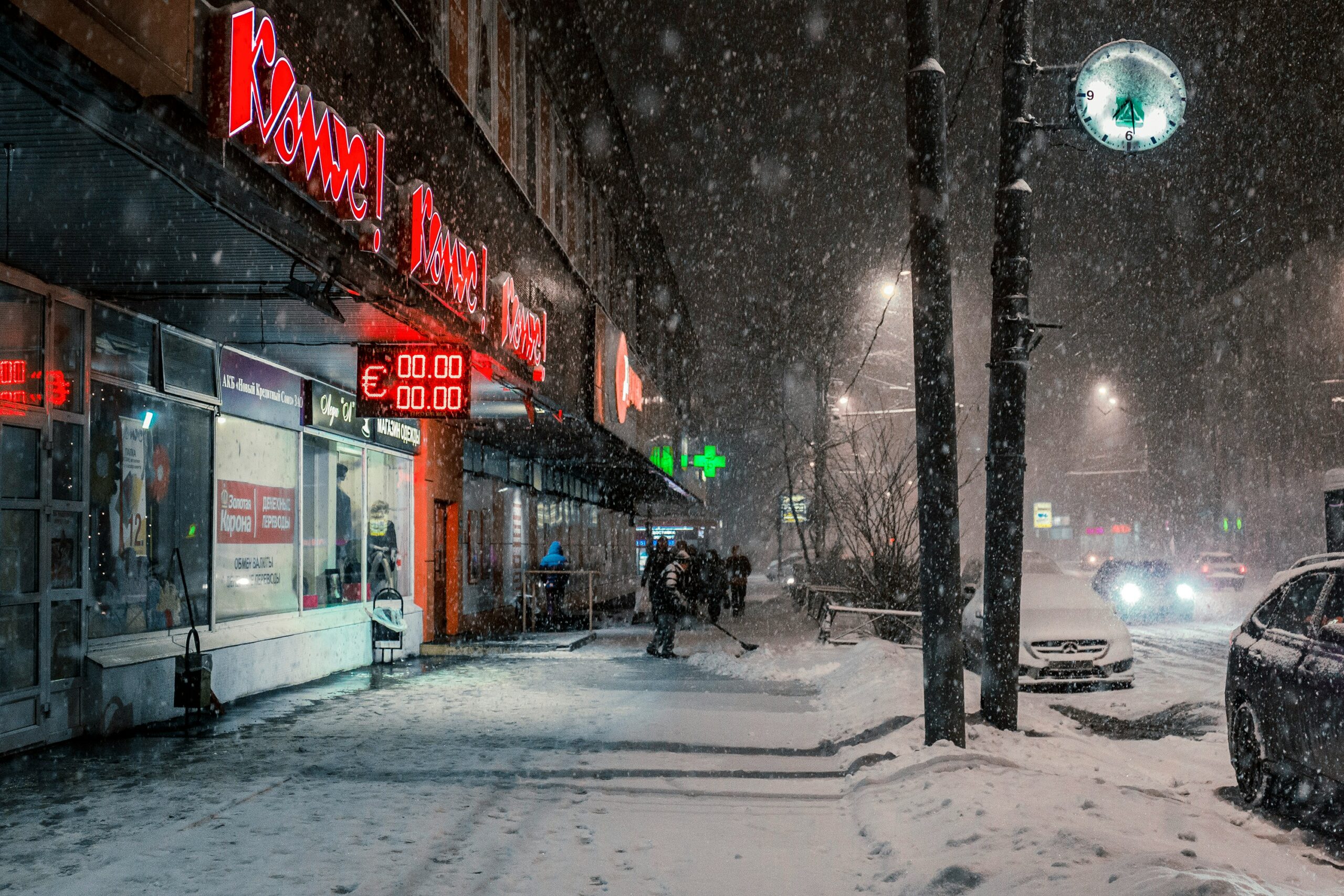
Russia is reimagining its winter tourism offerings, developing new itineraries and expanding rail tourism to attract both domestic and international travelers. Beyond Moscow and St. Petersburg, regions like Karelia, Siberia, and the Urals are being promoted as winter destinations.
Rail plays a central role. Luxury trains such as the “Imperial Russia” and modernized Trans-Siberian routes offer comfortable journeys through snowy landscapes. These services combine cultural excursions with premium hospitality, appealing to high-end travelers. Regional trains are also being upgraded to connect smaller towns and ski resorts.
Winter activities are diversifying. Ice fishing, dog sledding, and Northern Lights tours are being packaged with cultural experiences like folk music and traditional cuisine. Local communities are increasingly involved, offering homestays and guiding services.
Digital marketing campaigns highlight Russia’s unique winter charm, while visa simplifications aim to attract more international tourists. Domestic tourism subsidies are also boosting local travel, especially among younger travelers seeking adventure.
Challenges include harsh weather, infrastructure gaps in remote areas, and geopolitical tensions affecting foreign arrivals. Yet Russia’s strategy of leveraging its vast geography and cultural heritage for winter tourism is creating fresh opportunities for regional development.