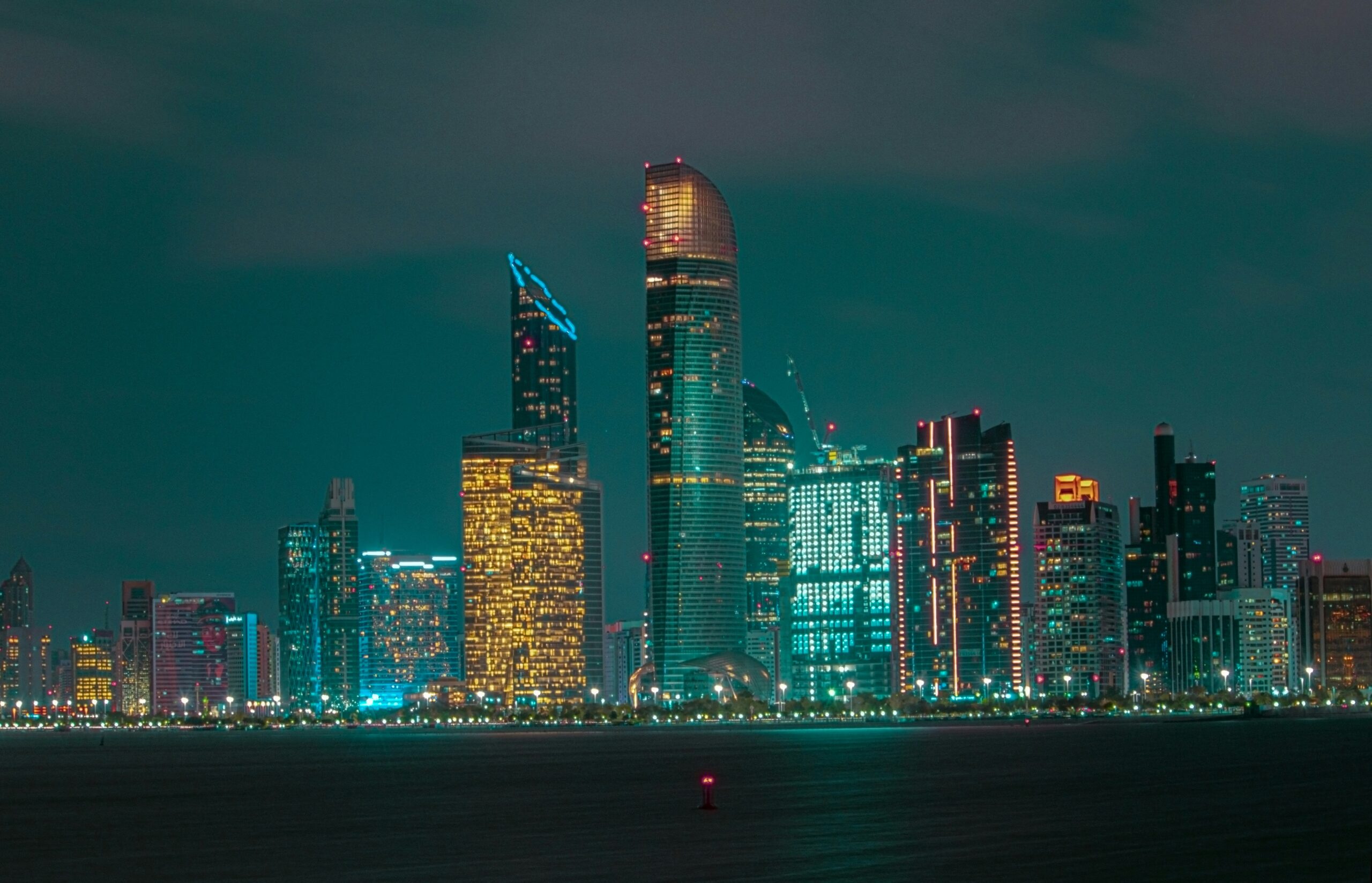
From projects to capabilities
The Gulf’s diversification is shifting from real-estate monuments to productive ecosystems: startup campuses tied to procurement, academic labs spun into clinics and factories, and sovereign funds backing local supply chains. This trajectory parallels shifts seen in Africa’s Renewable Energy Boom, where infrastructure builds industrial capacity alongside jobs.
Human capital first
Scholarships now target applied STEM, while vocational academies certify technicians in aviation, robotics, and healthcare. Visa reforms attract global specialists, but the thrust is to train nationals into critical roles.
What’s scaling
Clean energy (utility solar and green hydrogen), logistics tech, fintech infrastructure, clinical trials, and AI-enabled back-office exports. Manufacturers cluster near ports with bonded zones; hospitals pilot telemedicine exports across time zones. Similar scaling dynamics appear in Global Semiconductor Supply Chains, where clustering around logistics hubs accelerates exports.
Benchmarks, not buzzwords
The durable metric is non-oil exports and high-skill jobs. Procurement policies increasingly reward local content and SME participation. Sovereign funds blend patient capital with milestone-based tranches to push firms from prototype to unit economics.
Risks and course-corrections
Execution risk remains: importing know-how without embedding it can create “innovation enclaves.” Tightening global liquidity tests projects’ economics; credibility comes from shipping product, not renderings. The winners embed training, IP retention, and regional sales funnels.
Winners
- Regional SMEs plugged into procurement pipelines and export-ready niches (medtech devices, fintech APIs, logistics software).
- Talent platforms and vocational academies aligned to industry demand.
Losers
- Rent-seeking intermediaries without product depth; projects heavy on PR, light on delivery.