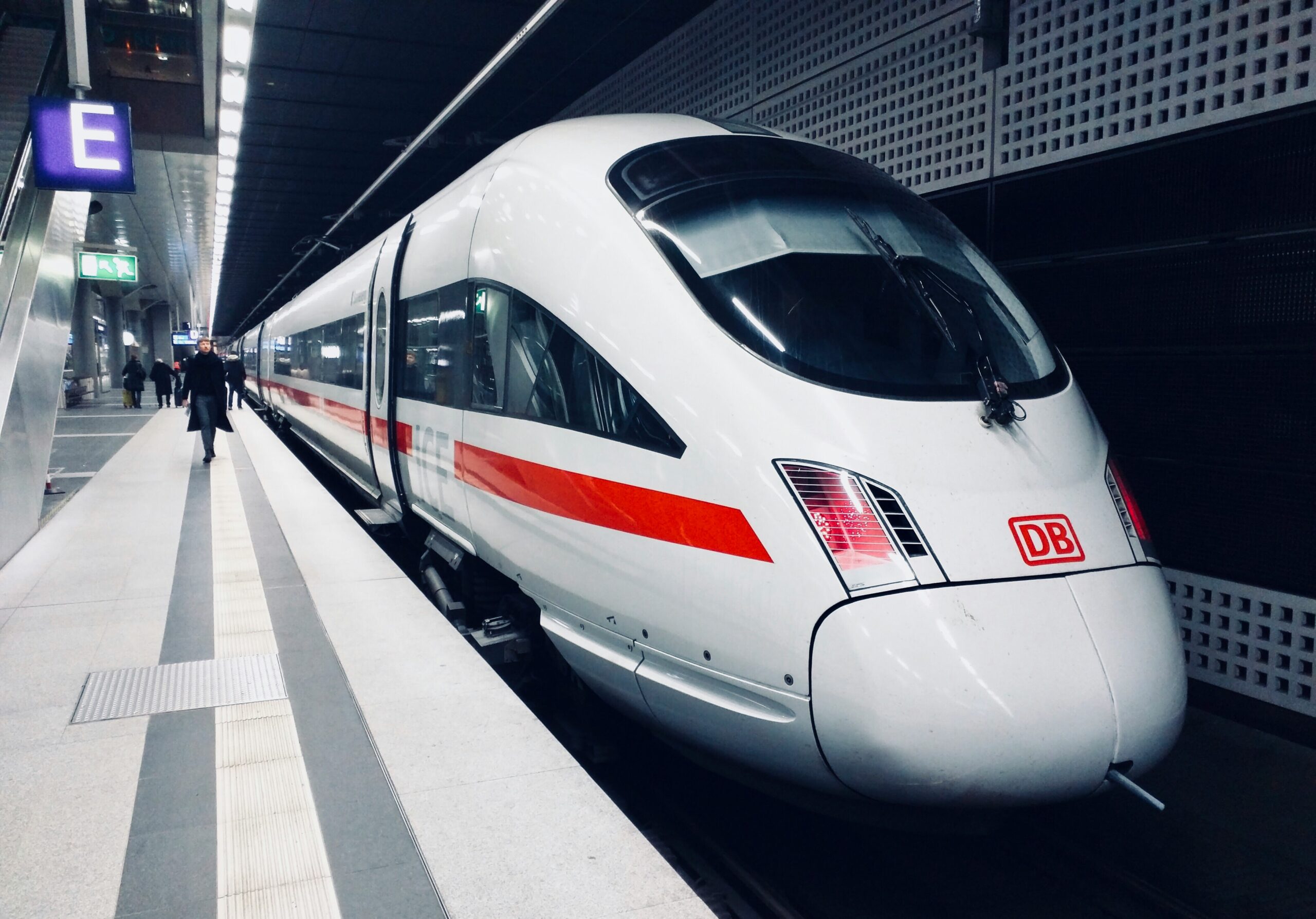
China’s domestic tourism sector is booming, driven by high-speed rail networks, rising incomes, and a growing middle class eager for short, frequent breaks. With international travel still constrained by costs and visa requirements, domestic destinations are seeing record visitor numbers.
High-speed rail has been transformative. With trains reaching speeds of up to 350 km/h, cities like Beijing, Shanghai, and Chengdu are connected in just a few hours. This enables weekend trips and short holidays, boosting local economies and diversifying tourism beyond tier-one cities.
Short-break tourism focuses on cultural, culinary, and wellness experiences. Chengdu promotes its hot springs and panda reserves, while Xi’an markets its historic sites through immersive light shows. E-commerce platforms and social media influencers play key roles in shaping travel choices, with apps like Fliggy and Ctrip making bookings seamless.
Sustainability is also part of the picture. Many provinces promote green tourism, encouraging visitors to explore rural areas and eco-resorts. High-speed rail’s lower carbon footprint compared to air travel further strengthens this narrative.
Challenges include overcrowding at popular sites and uneven development in rural areas. However, with government support and consumer enthusiasm, China’s domestic travel boom is set to continue reshaping the tourism landscape.