

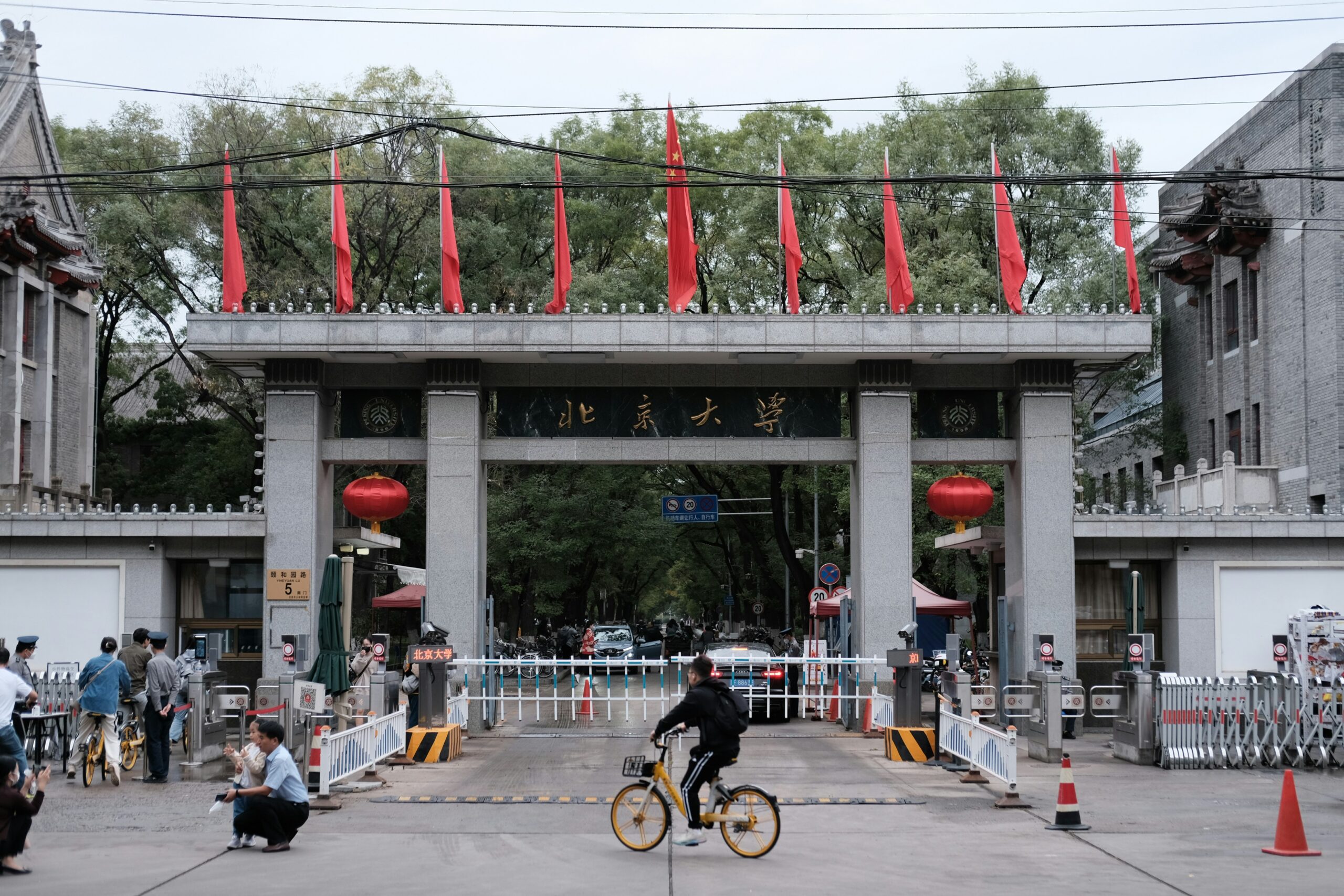
China is strengthening ties between universities and industry to accelerate innovation and boost competitiveness. These partnerships are reshaping research, talent pipelines, and commercialization pathways across sectors like semiconductors, biotechnology, and renewable energy.
Universities in Shanghai, Beijing, and Shenzhen are establishing joint laboratories with leading technology firms. These labs focus on applied research, where academic expertise complements industry resources. For example, semiconductor firms collaborate with Tsinghua University on chip design, while pharmaceutical companies partner with Fudan University for drug discovery.
Government policies actively encourage this model. Funding programs reward joint projects that result in patents or commercial products. Talent exchange programs allow industry experts to teach in universities and students to intern in cutting-edge firms, creating a two-way pipeline.
Intellectual property sharing is a central feature. Clear agreements ensure both universities and companies benefit from commercialization. This has led to a surge in patent filings and startups spun out of academic research.
These partnerships also serve geopolitical purposes. By strengthening domestic innovation, China reduces reliance on foreign technologies restricted by export controls. In sectors like AI and green tech, university-industry ties are positioning China as a global leader.
Challenges include ensuring academic freedom, avoiding duplication of research, and balancing commercial goals with fundamental science. Yet the momentum is strong, and the model is expanding nationwide. For China, bridging academia and industry is not just about innovation—it is about securing technological sovereignty.


