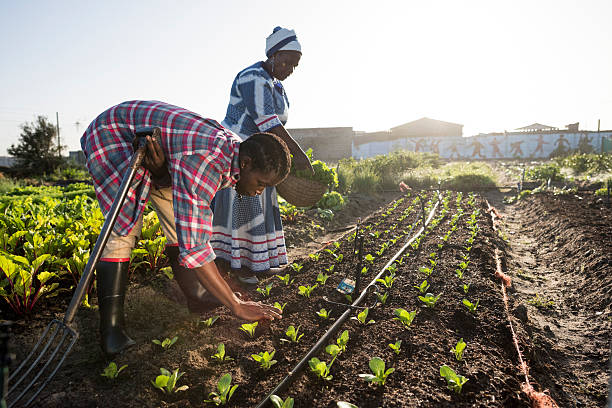
GCC countries are accelerating agricultural investments across Africa as part of broader food security strategies. With rising demand for stable food imports, Gulf nations are partnering with African governments to develop farmland, storage facilities, and modern irrigation networks.
Several African states—including Sudan, Ethiopia, Tanzania, and Namibia—have signed agreements with Gulf investors to expand crop cultivation, livestock production, and food processing zones. These partnerships involve technology transfer, climate‑resilient farming systems, and capacity‑building programs for local communities.
Modern logistics corridors linking African production hubs with Gulf ports are also strengthening. Investments in cold‑chain systems, grain terminals, and fast‑track customs procedures aim to reduce transit losses and enhance food supply reliability.
The GCC’s long-term strategy focuses on sustainable agriculture, renewable‑powered desalination, and innovative farming models such as vertical farms and hydroponic systems. Africa’s vast arable land and favourable climate make it a natural partner for these initiatives.
As cooperation deepens, agri‑trade flows between Africa and the Gulf are expected to expand significantly, reinforcing a mutually beneficial corridor anchored in food security and development.