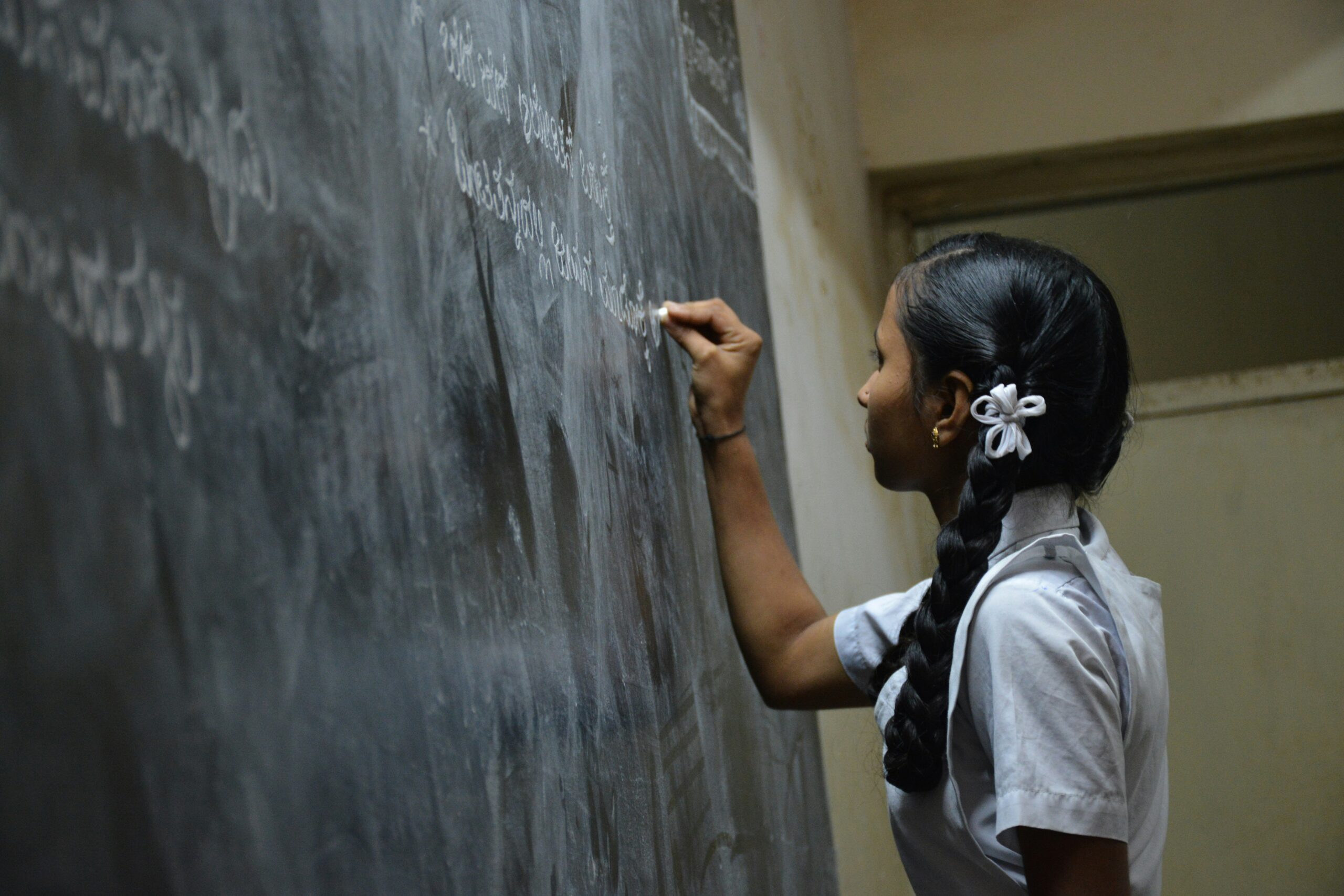
India’s private school sector has expanded dramatically in recent decades, offering alternatives to often underfunded public schools. Today, private schools educate nearly 40% of India’s children, ranging from elite international institutions to low-cost neighborhood schools.
Low-cost private schools are particularly significant in urban and peri-urban areas. They cater to families seeking better quality than government schools but at prices far below elite institutions. These schools often emphasize English-medium instruction, exam preparation, and extracurricular opportunities.
Quality, however, varies widely. While some private schools deliver excellent outcomes, others operate with minimal oversight. Teacher training, infrastructure, and adherence to curriculum standards can differ sharply. Affordability is another concern: even low fees can be a burden for poorer households, raising questions about equity.
The government is attempting to regulate the sector more effectively. State education boards are enforcing standards on teacher qualifications and safety, while initiatives like the Right to Education Act mandate that private schools reserve seats for disadvantaged students.
Technology is reshaping the sector as well. Digital classrooms, learning management systems, and online assessments are becoming common, particularly in middle-tier private schools. This is improving transparency and accountability, while giving parents more insight into their children’s progress.
The sector remains crucial for India’s education ecosystem, filling gaps left by public schools. However, ensuring consistent quality and equitable access will determine whether private schools are a sustainable solution or deepen educational divides.