Agriculture across Asia is facing mounting pressure from climate volatility, water stress, and changing consumption patterns. In regions such as Central Java, farmers are increasingly adopting climate‑resilient farming systems designed to stabilise yields while conserving natural resources. These systems combine data-driven irrigation, stress‑tolerant crop varieties, and community‑based risk‑sharing models.
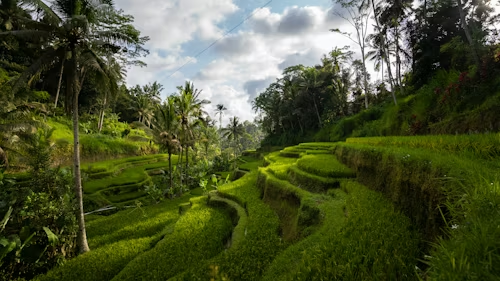
One of the most significant shifts is the move toward precision water management. Sensors embedded in fields measure soil moisture in real time, allowing irrigation only when necessary. This approach has reduced water usage substantially while maintaining productivity. In rice-growing areas, alternate wetting and drying techniques are lowering methane emissions and improving root health.
Seed innovation is another critical pillar. Research institutes are working closely with farmers to deploy crop varieties that can withstand erratic rainfall, higher temperatures, and saline soils. These seeds are not genetically modified but selectively bred to suit local ecosystems, ensuring farmer acceptance and regulatory alignment.
Equally important is the social dimension of climate‑resilient agriculture. Cooperative models allow smallholders to pool resources, share equipment, and access insurance products that protect against crop failure. Digital platforms now connect these cooperatives to regional markets, reducing reliance on intermediaries and improving price transparency.
Despite progress, challenges persist. Upfront costs for technology adoption remain high for some farmers, and training gaps slow widespread uptake. Governments and development agencies are responding with targeted subsidies and extension programs.
As Asia seeks to balance food security with environmental sustainability, climate‑resilient farming is emerging as a cornerstone strategy. Its success will determine the region’s ability to feed growing populations while adapting to an increasingly unpredictable climate.