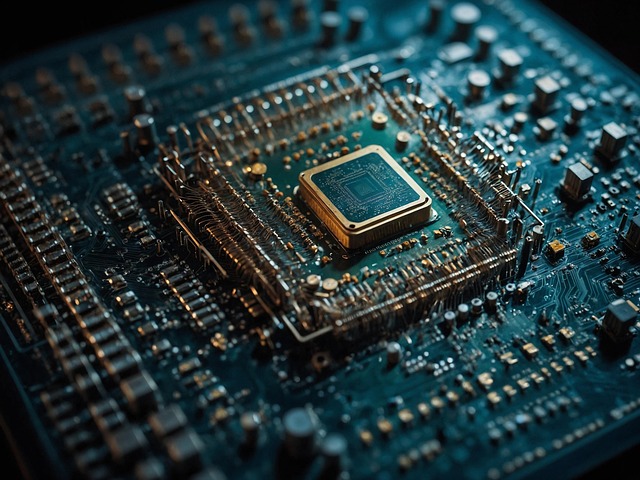
India’s semiconductor sector is entering a transformative period, driven by an unprecedented wave of investment, government policy alignment, and global demand for diversified chip manufacturing. With geopolitical tensions reshaping supply chains and countries seeking alternatives to traditional semiconductor hubs, India is positioning itself as a credible, long‑term player in the global chip ecosystem.
Several large-scale fabrication (fab) projects are now underway across Gujarat, Tamil Nadu, and Karnataka. These ventures—led by joint collaborations between Indian conglomerates and international technology partners—are focused on producing mature-node chips, essential for automobiles, consumer electronics, telecom equipment, and renewable energy systems. While India is not yet competing in the advanced 3‑5nm segment, its growing capability to manufacture 28nm and higher chips marks a strategic entry point into the global market.
The Indian government’s Semicon India Program, offering capital incentives of up to 50 percent for new fabs, has been a catalyst for industry participation. Multinational chipmakers have expressed renewed interest in India’s talent pool and expanding manufacturing infrastructure. Several Memoranda of Understanding (MoUs) have been signed with firms in the US, Japan, Taiwan, and the EU, supporting technology transfer, training, and ecosystem development.
India’s engineering workforce remains one of its strongest assets. More than 20 percent of the world’s semiconductor design engineers are of Indian origin, and global companies operate thousands of R&D centers across the country. The new policy focus on packaging, testing, and assembly aims to integrate this design strength with manufacturing capabilities, creating a full value chain over time.
Strategically, India’s semiconductor expansion aligns with its goals of supply-chain resilience and national security. Chips are foundational to defence systems, space technology, telecommunications, and digital infrastructure. Building domestic capacity reduces exposure to external vulnerabilities and strengthens India’s position in emerging technological alliances such as the Quad.
Despite significant progress, challenges remain. Semiconductor manufacturing is capital-intensive, requiring uninterrupted power supply, advanced water infrastructure, and specialized engineering expertise. India is addressing these through dedicated industrial corridors, single‑window clearances, and long-term workforce training programs in partnership with global universities.
Global partners see India as a stable, democratic, and long-horizon manufacturing base. In a world seeking resilient supply chains, India’s semiconductor push is both timely and strategically relevant. As production lines go live over the next few years, the country is poised to become a crucial pillar of the global electronics ecosystem.
The semiconductor journey will take sustained investment, coordinated policy support, and long-term collaboration. But with strong momentum and a clear roadmap, India’s aspiration of chip independence is no longer distant—it is beginning to take shape on the ground today.