Vaccination campaigns in Africa have historically struggled with cold chain logistics. High temperatures, unreliable electricity, and remote geographies have led to spoilage and inefficiencies. But recent innovations are transforming vaccine delivery and strengthening health resilience.
Telemedicine has evolved from a pandemic-era necessity to a cornerstone of healthcare delivery in the Middle East. With smartphone penetration above 90% in Gulf countries and government-led reforms in insurance and digital health, hybrid models of care are transforming access to primary
Southeast Asia is witnessing a surge in EdTech platforms offering micro-credentials tailored to the gig economy. With millions of young workers entering flexible, short-term jobs, traditional degrees are often too slow and costly to provide the skills needed. Platforms in Indonesia, Malaysia,
Russia is reforming its STEM education system to better align with industrial and technological priorities. Centralized curriculum reforms, combined with investments in teacher training and infrastructure, aim to prepare a new generation for high-tech industries.
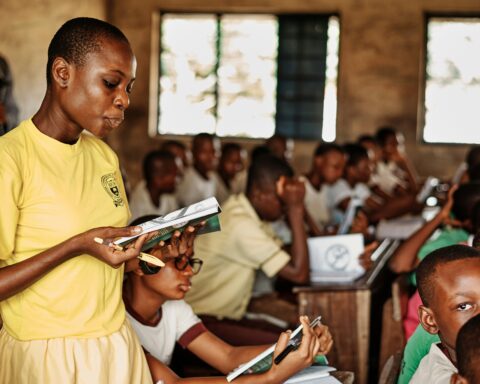
The COVID-19 pandemic exposed stark inequalities in education across Sub-Saharan Africa. While some urban schools pivoted to online classes, millions of rural students were left without access to lessons.
Gulf states are rapidly reshaping their education systems to prepare citizens for a post-oil economy. Central to this transformation is a push for vocational and technical training, supported by digital platforms, industry partnerships, and government funding. Qatar, the UAE, and Saudi Arabia