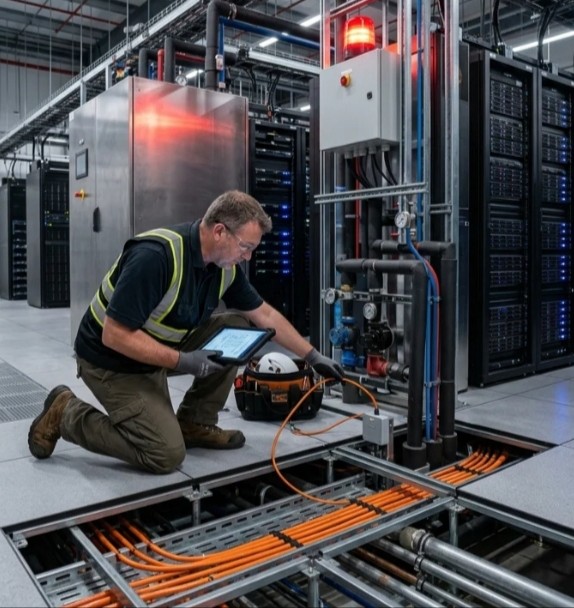
The AI Infrastructure Economy The Hidden Input Part 3
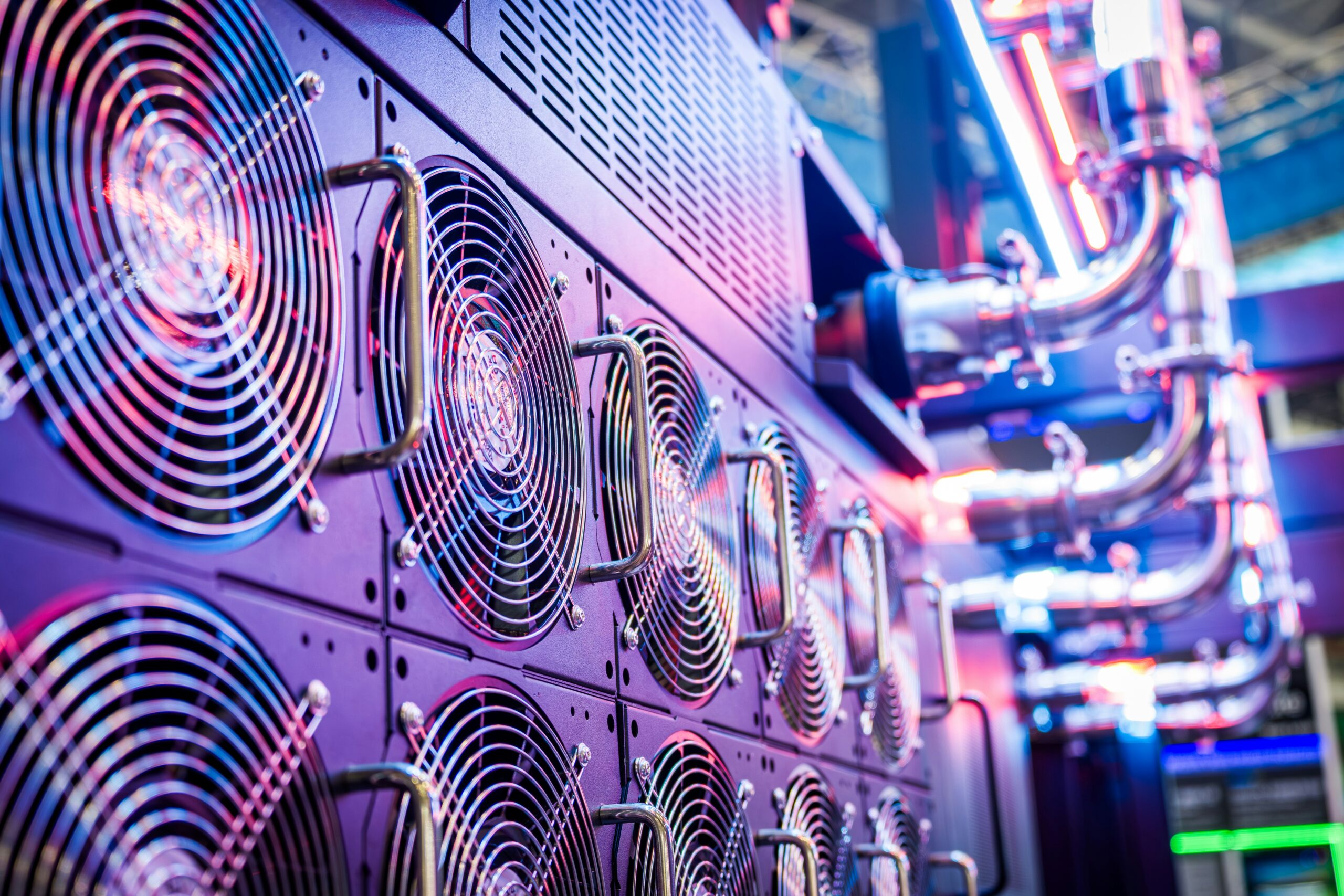
Editor’s Note
Every discussion about artificial intelligence eventually turns to chips, software or data centres. Far less attention is paid to another industry whose importance is rising just as rapidly as the businesses of data centres: AI cooliing.
The Hidden Input – Part 1 examined the water needs of large data centres, while The Hidden Input – Part 2 looked at power as a critical requirement. In this article, AfroAsiannews turns the spotlight on another hidden input: The Economics of Cooling. The accompanying decoder focuses on the cooling systems that data centres need.
When Nvidia launches a new AI processor, the technology world takes notice. When hyper-scale companies announce multi-billion-dollar AI investments, headlines focus on data centres, computing power and cloud infrastructure. Yet every one of those announcements carries another implication that rarely attracts attention. Someone has to remove the enormous quantities of heat these systems generate. As artificial intelligence scales, cooling is no longer simply an engineering function inside a data centre. It is becoming an industry in its own right.
This shift is easy to overlook because cooling has traditionally been viewed as a support service rather than strategic infrastructure – a perception that is beginning to change.
Cooling is no longer simply an engineering function inside a data centre. It is becoming an industry in its own right.
Changing the economics of cooling
Conventional enterprise data centres already required sophisticated cooling systems. Artificial intelligence is changing both the scale and the complexity of that requirement. Large AI training clusters consume far more electricity than traditional computing systems.
More electricity produces more heat. More heat requires larger, more efficient and increasingly specialised cooling technologies. This has created demand that extends well beyond air-conditioning equipment.
A new industrial ecosystem is emerging
The AI cooling economy includes far more than cooling machines. It encompasses liquid cooling technologies, cooling towers, heat exchangers, pumps, valves, specialised piping systems, thermal management software, cooling fluids, sensors and monitoring systems, engineering, procurement and construction (EPC) services, maintenance and life-cycle support
Many of these companies may never describe themselves as part of the AI industry
Together, these activities represent a growing industrial ecosystem supporting AI infrastructure.
Why liquid cooling is attracting attention
Traditional air cooling continues to be widely used. However, the heat generated by the latest AI processors is increasingly favouring liquid cooling technologies. As computing densities rise, liquid cooling is becoming an increasingly important part of AI data-centre design.
The transition will not happen overnight. For years to come, both air cooling and liquid cooling are likely to coexist, with different facilities adopting different solutions depending on workload, climate and design.
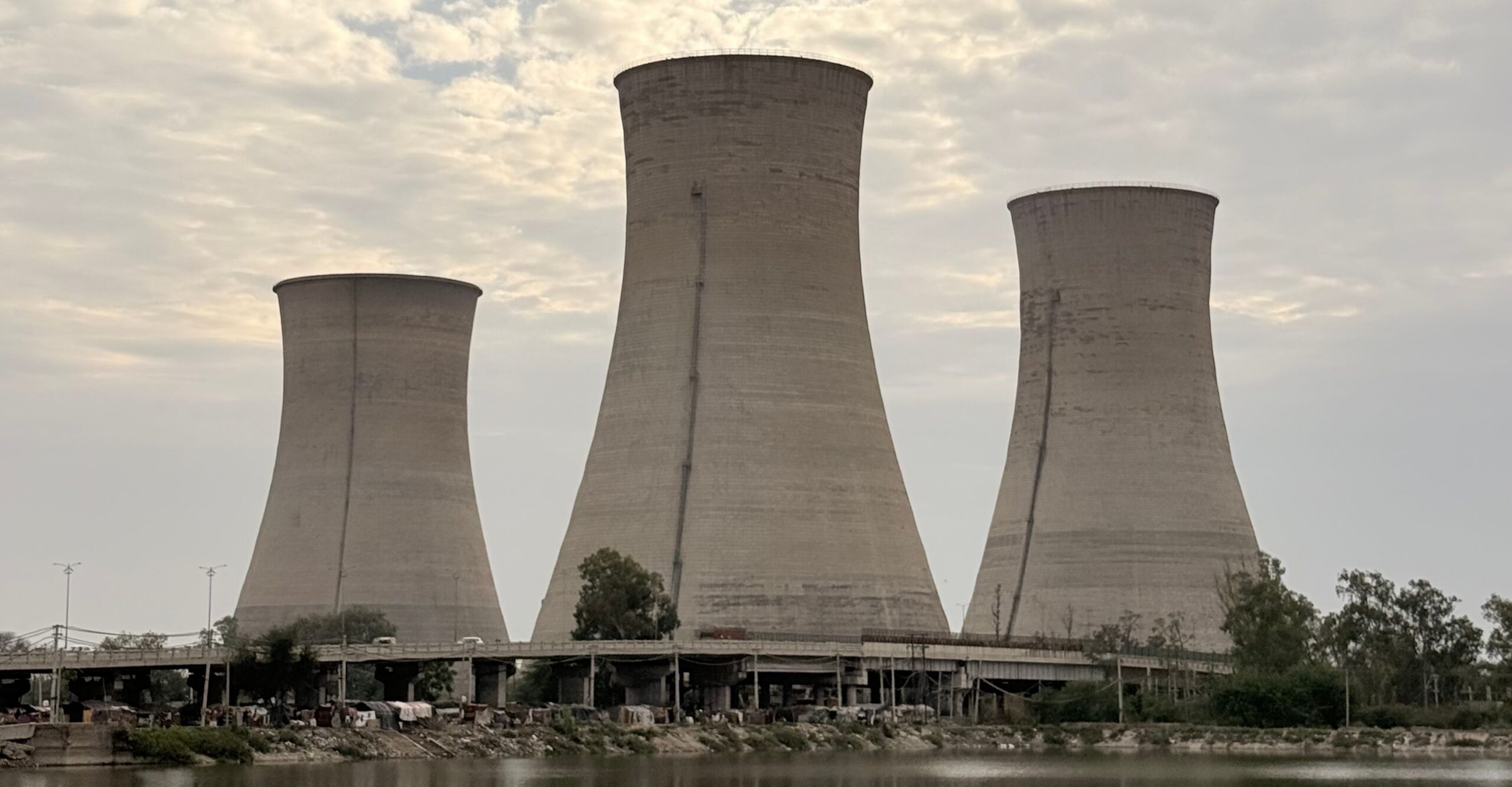
Cooling is becoming an investment story
As governments compete to attract AI infrastructure, the focus is often on land, electricity, water and incentives. Cooling deserves to be part of that conversation. The scale and complexity of AI facilities are creating a new source of demand for specialised infrastructure and engineering services.
For manufacturers and engineering companies, AI may therefore represent a new source of industrial demand rather than simply another technology trend.
Opportunities beyond data centres
The implications extend well beyond hyperscale operators. The expansion of AI infrastructure could create new demand for manufacturers and engineering companies that have traditionally served industrial and data-centre markets. Many of these companies may never describe themselves as part of the AI industry. Yet their products and services could become increasingly important to its growth.
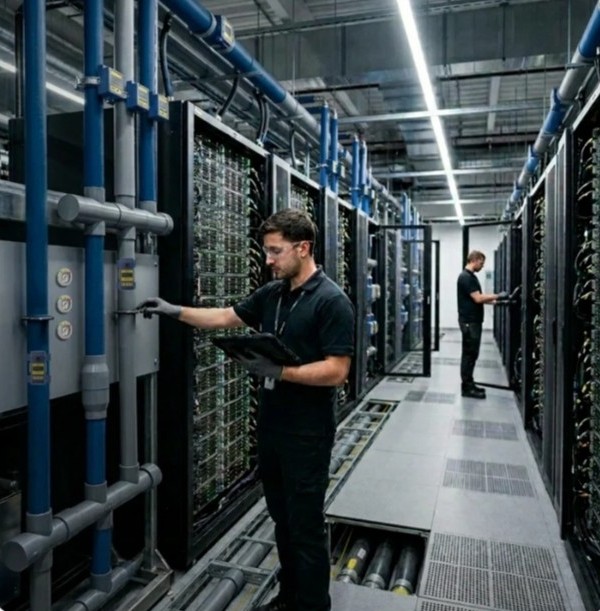
Looking beyond the headlines
Artificial intelligence is often portrayed as a competition between software developers and semiconductor companies. But the narrative captures only part of the picture. Every AI facility depends on industries that rarely appear in headlines but perform essential engineering functions.
Cooling is one of them.
As AI infrastructure grows across the world, the businesses that remove heat from computing systems may become just as important to the AI economy as the businesses that manufacture the processors generating that heat.
Decoding The Hidden Input
Air Cooling vs Liquid Cooling
Artificial intelligence is generating unprecedented amounts of heat inside data centres. Keeping that equipment cool is now one of the biggest engineering challenges facing the AI industry. Two technologies dominate the discussion—air cooling and liquid cooling.
What makes up a cooling system?
Cooling a data centre involves much more than the equipment that directly removes heat. The system typically includes heat exchangers, cooling towers, pumps, valves, specialised piping, cooling fluids, sensors and control systems that move heat away from the computing equipment and ultimately reject it to the environment.
In a liquid-cooled facility, for example, heat is transferred from processors into a circulating liquid. Pumps move the heated fluid through the system, while heat exchangers transfer that heat to another cooling circuit. Depending on the design, cooling towers or other heat-rejection systems then release the heat outside the facility. This makes the cooling system an interconnected chain rather than a single machine.
Every processor consumes electricity, almost all of which eventually becomes heat. Without effective cooling, processors can reduce their performance to prevent overheating, while prolonged exposure to high temperatures can shorten equipment life. Cooling is therefore a critical part of modern AI infrastructure.