Aviation links between the Gulf and Asia are expanding rapidly as airlines respond to rising demand for travel, trade, and business connectivity. Gulf carriers—long regarded as global aviation leaders—are increasing routes to major Asian cities, while Asian airlines strengthen their presence in Middle Eastern hubs. This surge in air traffic reflects deepening economic ties and shifting global travel patterns.
The resurgence of tourism across Asia is playing a major role. Travellers from India, China, Southeast Asia, and Japan are returning to Gulf destinations such as Dubai, Abu Dhabi, Riyadh, and Doha. These cities, known for luxury tourism, business conventions, and cultural events, are attracting increasing visitor flows as visa rules become more flexible.
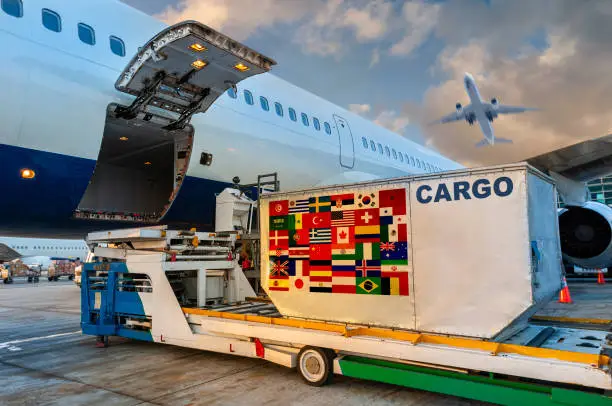
Cargo traffic is also rising. E-commerce growth and digital trade have increased demand for fast logistics links between Gulf logistics hubs and Asian manufacturing centres. Airlines are expanding freight capacity to support new trade routes connecting South Asia and Southeast Asia with the Gulf’s strategic ports.
This expansion is supported by modernised airport infrastructure, advanced air traffic management systems, and government policies encouraging aviation growth. Both regions see aviation as essential to economic diversification, tourism development, and long-term regional integration