Russia, one of the world’s largest sunflower oil producers, is redirecting trade toward India as Ukraine’s supply caters more to Europe. Negotiations at recent agri-expos highlighted opportunities for deeper cooperation in oilseeds and grains. For India, diversifying edible oil imports strengthens food

Deloitte’s 2025 Tech Fast 50 program is spotlighting the Gulf’s fastest-growing startups. Categories include ESG innovation, women-led companies, and impact-driven tech ventures. The initiative comes amid record venture capital flows into Saudi Arabia and the UAE, where digital banking, AI, logistics, and healthtech
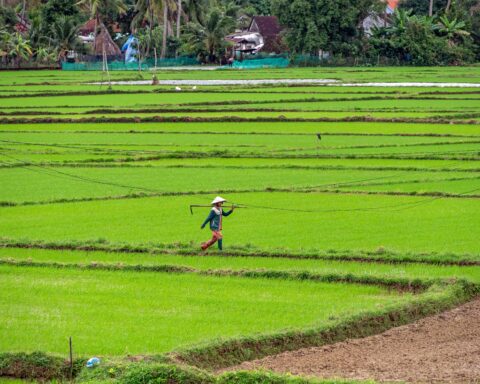
Southeast Asia’s agriculture is embracing digital and sustainable innovation. Under the OECD Southeast Asia Regional Programme, countries are modernizing trade systems, introducing blockchain for food traceability, and deploying precision farming tools. Thailand and Vietnam are leading rice-export reforms, while Laos invests in
Satellite-based 5G, known as non-terrestrial networks (NTN), is being piloted across Africa to close persistent digital gaps. Telecom firms and space-tech providers are deploying hybrid systems that combine terrestrial networks with low-earth orbit satellites, especially for rural schools, clinics, and SMEs. Countries
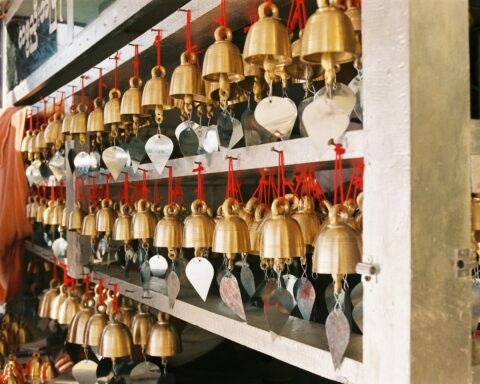
Asian tourism boards revive cultural corridors linking Central Asia’s Silk Road cities, Southeast Asia’s temple complexes, and Pacific island heritage trails. Uzbekistan’s Samarkand, Cambodia’s Angkor Wat, and Indonesia’s Bali temples feature prominently. Regional airline alliances, e-visa systems, and digital marketing campaigns promote
Russia’s Far East and Arctic regions offer frontier tourism experiences combining indigenous culture, wildlife, and adventure sports. Yakutia’s reindeer herding festivals, Kamchatka’s volcano treks, and Arctic icebreaker cruises attract niche travelers. Infrastructure investments include new airports, eco-lodges, and cruise terminals under Russia’s
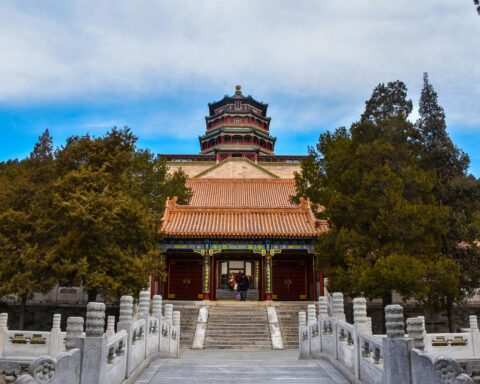
China promotes lesser-known destinations like Dunhuang’s Mogao Caves, Fujian’s Tulou villages, and Guizhou’s ethnic minority festivals to diversify tourism beyond Beijing and Shanghai. High-speed rail networks connect inland provinces with urban centers, boosting rural tourism economies. The government’s Rural Vitalization strategy funds
India’s heritage tourism is evolving with state-led initiatives restoring forts, stepwells, and craft villages. The PRASHAD scheme develops pilgrimage circuits like Kashi Vishwanath in Varanasi and the Char Dham route in Uttarakhand. Rajasthan revives handloom clusters for experiential craft tourism, while Kerala
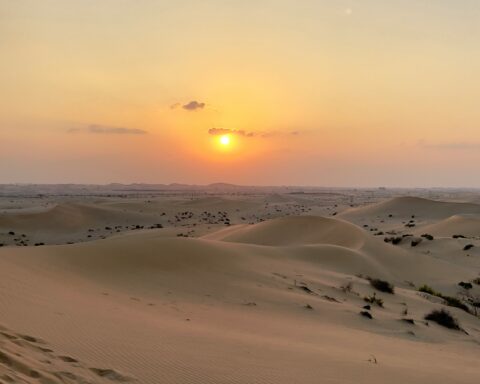
Middle Eastern countries are transforming deserts into cultural tourism hubs. Saudi Arabia’s AlUla hosts art biennales amid sandstone canyons, while Oman offers Bedouin heritage camps blending stargazing with traditional music. The UAE integrates luxury resorts with archaeological trails in Liwa and Hatta
Africa’s tourism narrative has long centered on safaris, but cultural tourism is gaining traction as travelers seek immersive experiences. The Trans-Sahel Cultural Corridor links Mali, Niger, and Chad through music festivals, craft markets, and nomadic heritage tours. Ethiopia’s rock-hewn churches, Senegal’s Goree
AAN | 27:12:2025
India has been confirmed as the Chair of the Kimberley Process for the year 2026, bringing closure to an extended impasse over leadership within the global diamond certification body. The decision was reached by consensus among participating members, following months of negotiations after earlier bids failed to gain unanimous support. India will formally assume the chairmanship from January 1, 2026, after serving briefly as Vice-Chair in late 2025.
The Kimberley Process is a tripartite initiative involving governments, the diamond industry, and civil society, aimed at preventing the trade in conflict diamonds. India’s appointment marks its third tenure as Chair, underscoring its growing influence in the global diamond value chain. During its chairmanship, India is expected to prioritise governance reforms, strengthen compliance mechanisms, and advance discussions on transparency and traceability within the Kimberley Process framework.