As AI infrastructure expands, cooling is becoming an industry in its own right, creating growing demand for liquid cooling, heat exchangers, pumps, sensors and other thermal management technologies.

Morocco is experiencing a renaissance in cultural tourism, driven by investments in heritage restoration, boutique accommodations, and local crafts. Marrakech, Fes, and Chefchaouen are at the center of this revival, attracting travelers who want to immerse themselves in history and tradition.
Vaccination campaigns in Africa have historically struggled with cold chain logistics. High temperatures, unreliable electricity, and remote geographies have led to spoilage and inefficiencies. But recent innovations are transforming vaccine delivery and strengthening health resilience.
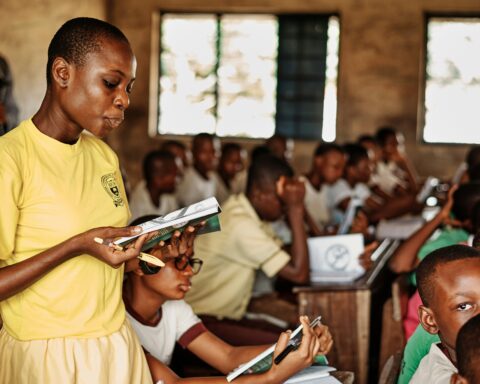
The COVID-19 pandemic exposed stark inequalities in education across Sub-Saharan Africa. While some urban schools pivoted to online classes, millions of rural students were left without access to lessons.
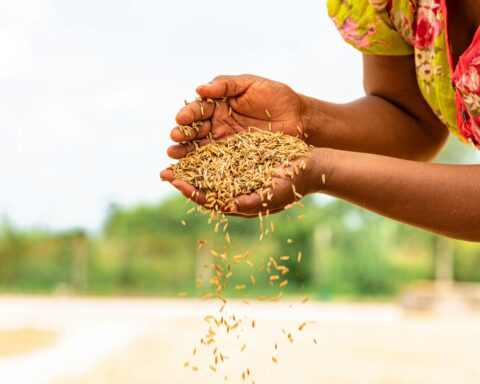
Climate change is reshaping agriculture across East Africa, where erratic rainfall, prolonged droughts, and rising temperatures pose serious challenges.
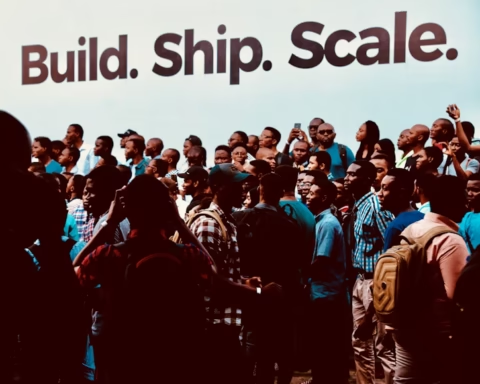
Nigeria’s leading tech hubs—Lagos, Abuja, and Port Harcourt—are reshaping West Africa’s economy by creating solutions that address real, local challenges while scaling across borders.
Rwanda’s renewable energy transformation is being closely watched across Africa as a model for how smaller nations can industrialize sustainably. Unlike mega-project-heavy approaches in larger economies, Rwanda is prioritizing distributed energy systems, hydrogen pilots, and regional hydropower.
Africa’s startup ecosystem is experiencing a shakeout, as funding slows and companies struggle to sustain high-growth models. After a record funding year in 2022, global macroeconomic shifts, inflation, and investor caution have triggered layoffs and consolidations across the continent.
Chinese electric vehicle (EV) manufacturers are increasingly targeting African markets, turning the continent into both a testing ground and a new growth frontier
Mobile payments are booming across emerging economies, but the paths of Nigeria’s Lagos and Bangladesh’s Dhaka reveal striking contrasts that illustrate how regulation and infrastructure can shape innovation.
AAN | 27:12:2025
India has been confirmed as the Chair of the Kimberley Process for the year 2026, bringing closure to an extended impasse over leadership within the global diamond certification body. The decision was reached by consensus among participating members, following months of negotiations after earlier bids failed to gain unanimous support. India will formally assume the chairmanship from January 1, 2026, after serving briefly as Vice-Chair in late 2025.
The Kimberley Process is a tripartite initiative involving governments, the diamond industry, and civil society, aimed at preventing the trade in conflict diamonds. India’s appointment marks its third tenure as Chair, underscoring its growing influence in the global diamond value chain. During its chairmanship, India is expected to prioritise governance reforms, strengthen compliance mechanisms, and advance discussions on transparency and traceability within the Kimberley Process framework.