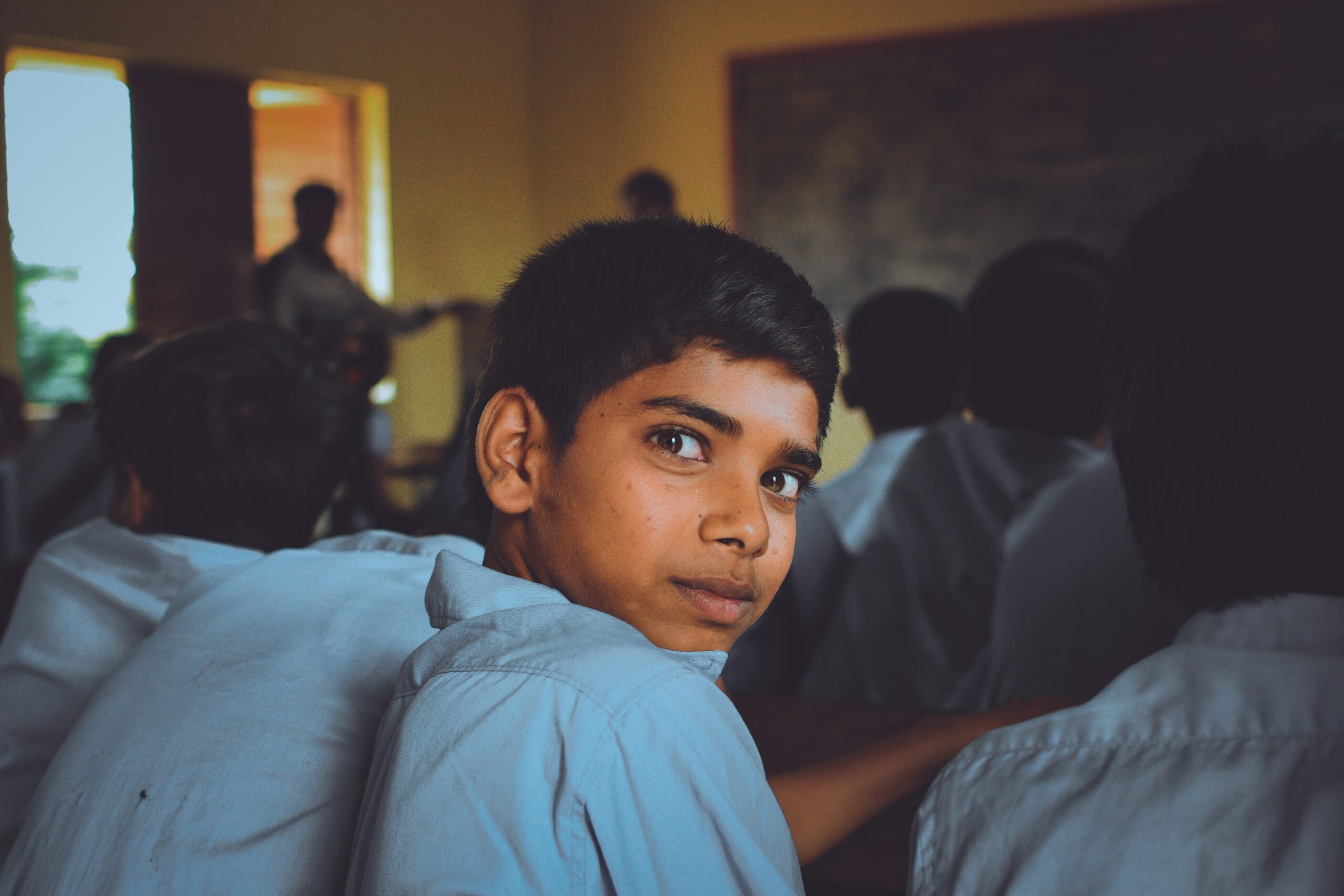
In the remote Siberian regions of Russia and in India’s hill districts, blended learning is gaining traction using radio, SMS, and pre‑loaded offline content on tablets. These methods help students continue education despite connectivity issues or teacher shortages.
Most edtech stories focus on cities; rural regions often get left out. These adaptations are creative and resilient, showing how low‑tech solutions can still close learning gaps.
Mental Health Access and Telemedicine’s Rise in China and the Middle East
Mental health has surged into public discourse across Asia and the Middle East. Telemedicine platforms in cities like Beijing, Shanghai, Dubai, and Riyadh combine video consultation, AI symptom checkers, and clinic partnerships to reach underserved populations.
Stigma and minimal infrastructure remain barriers, but digital health platforms are bridging gaps. This is creating new opportunities and conflicts in regulation and health policy.

Vaccine Innovation in China and India: New Platforms for Global Health Security
China and India are investing in novel vaccine platforms—mRNA, vector, protein subunit—for diseases beyond COVID‑19, including dengue and malaria. Public‑private partnerships are advancing candidates to late‑stage clinical trials.
This diversification could make Asia critical in supplying vaccines for tropical and neglected diseases, strengthening global health security.