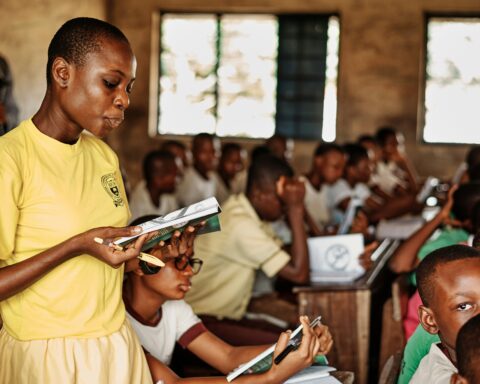
The COVID-19 pandemic exposed stark inequalities in education across Sub-Saharan Africa. While some urban schools pivoted to online classes, millions of rural students were left without access to lessons.
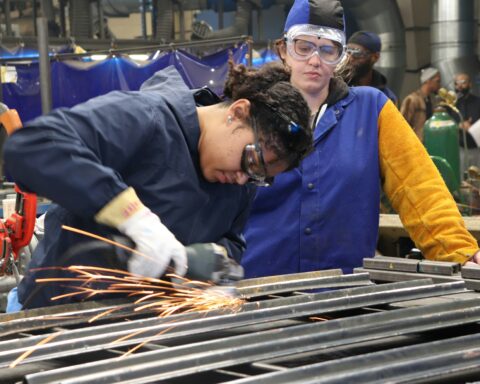
Gulf states are rapidly reshaping their education systems to prepare citizens for a post-oil economy. Central to this transformation is a push for vocational and technical training, supported by digital platforms, industry partnerships, and government funding. Qatar, the UAE, and Saudi Arabia
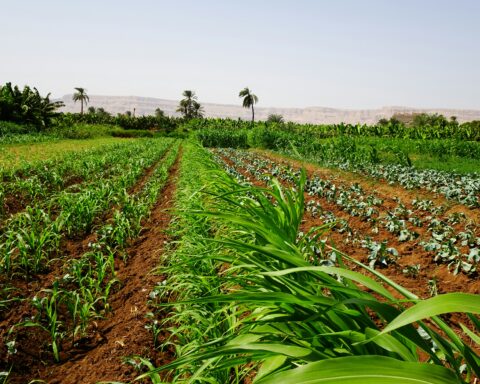
Food security is a strategic priority for the Middle East, where desert climates and scarce water resources limit traditional farming. With imports accounting for up to 80% of food consumption in Gulf countries, governments and private firms are investing heavily in agricultural
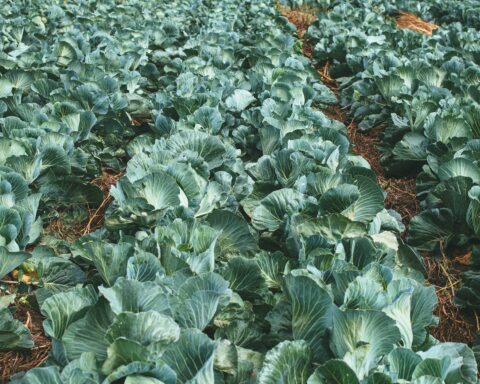
Climate change is reshaping agriculture across East Africa, where erratic rainfall, prolonged droughts, and rising temperatures pose serious challenges.
AAN | 27:12:2025
India has been confirmed as the Chair of the Kimberley Process for the year 2026, bringing closure to an extended impasse over leadership within the global diamond certification body. The decision was reached by consensus among participating members, following months of negotiations after earlier bids failed to gain unanimous support. India will formally assume the chairmanship from January 1, 2026, after serving briefly as Vice-Chair in late 2025.
The Kimberley Process is a tripartite initiative involving governments, the diamond industry, and civil society, aimed at preventing the trade in conflict diamonds. India’s appointment marks its third tenure as Chair, underscoring its growing influence in the global diamond value chain. During its chairmanship, India is expected to prioritise governance reforms, strengthen compliance mechanisms, and advance discussions on transparency and traceability within the Kimberley Process framework.